

In the peaks of Utah, a ski-in/ski-out retreat blends Japanese minimalism, sustainable steel, and the concept of timeless living
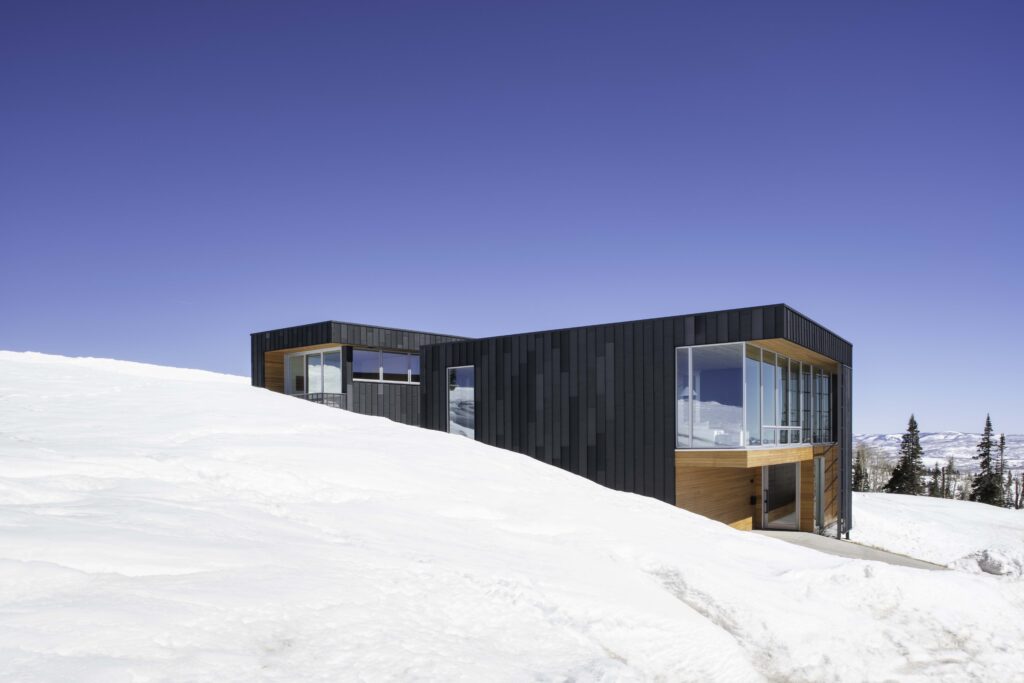
In the heart of the Powder Mountain ski resort, at an altitude of 8,800 feet (2,700 meters), stands an architectural masterpiece that challenges the rigidity of the mountain through the fluidity of paper. Sparano + Mooney Architecture has completed a winter sanctuary where geometric precision meets the wilderness, drawing profound inspiration from the art of kirigami.
Unlike the more well-known origami, which only involves folding, the art of kirigami allows for the cutting and folding of material to create complex three-dimensional structures: a concept translated in this residence into volumes that seem to float and wrap themselves around the snowy landscape.
“Folded” Architecture: The TEKKō™ Steel Facade and the Art of Kirigami
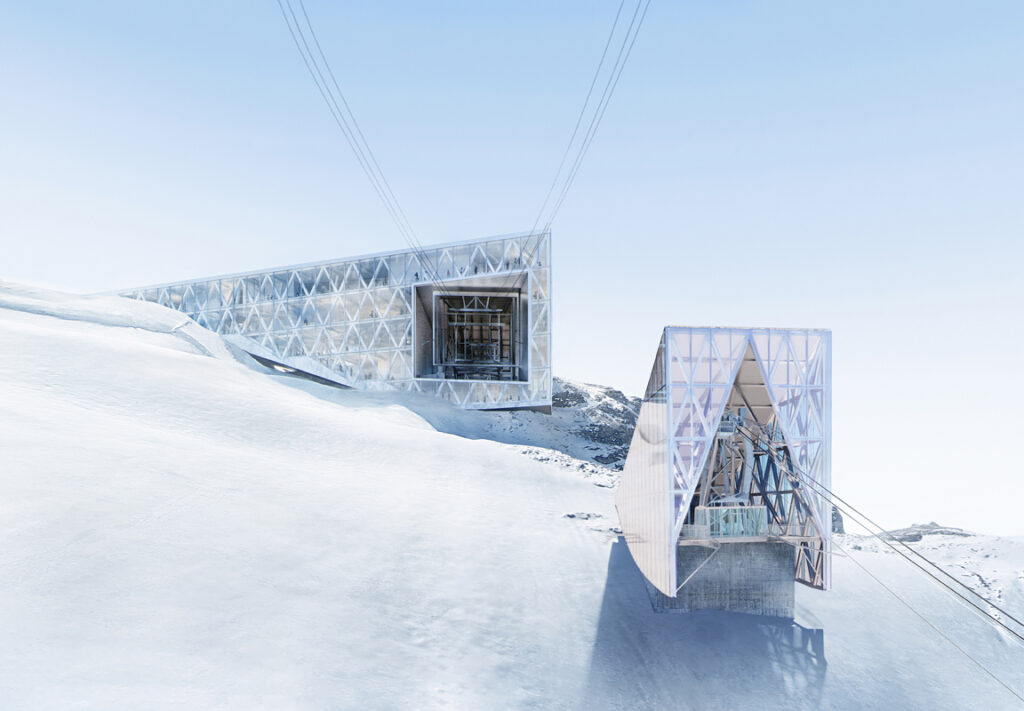
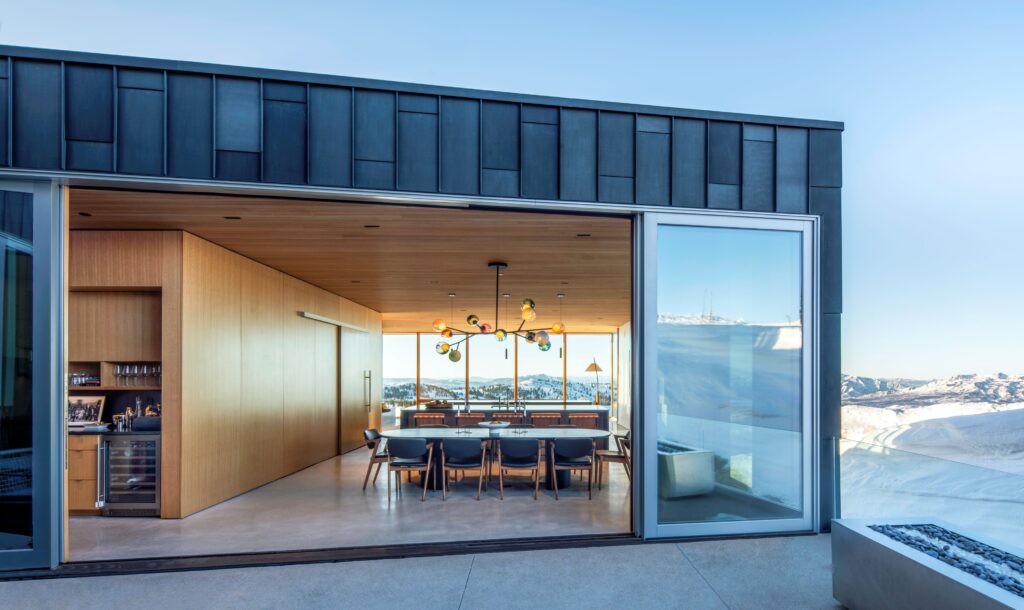
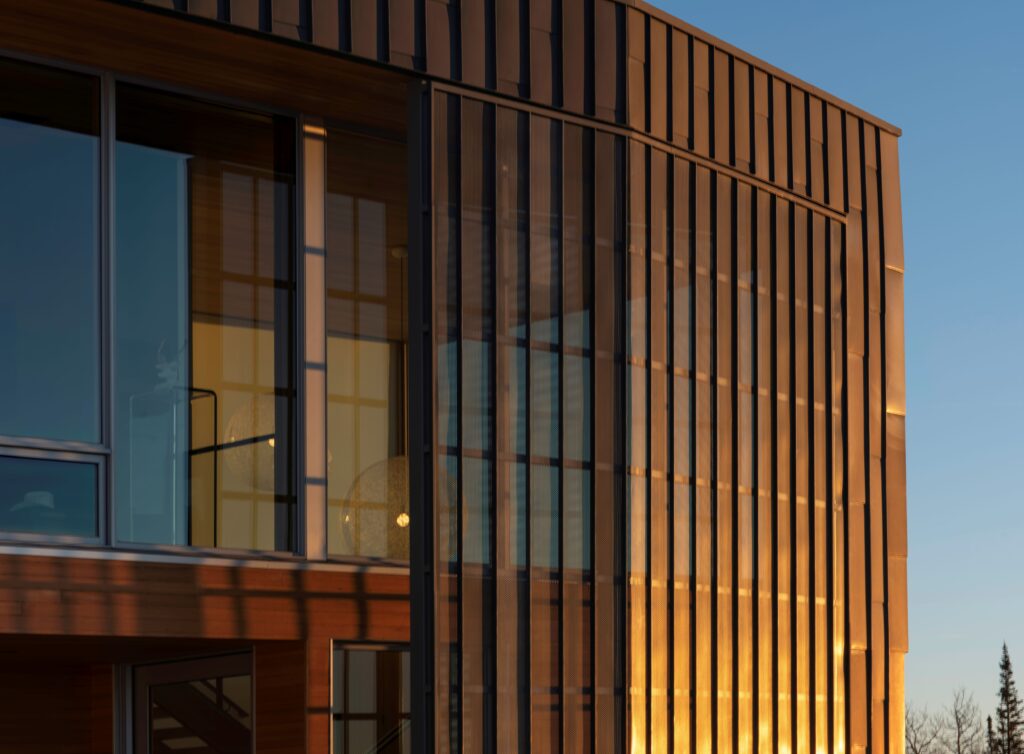
The project’s defining element is undoubtedly its exterior cladding. The architectural team chose TEKKō™ steel, a highly corrosion-resistant steel and zinc composite, perfect for withstanding extreme high-altitude weather conditions.
Just like a sheet of paper crafted according to the art of kirigami, the metal is folded and shaped around the house’s upper levels and along the inner courtyard. Exposed joints transform into sharp angles, alternating opaque panels with perforated sections that play with natural light, offering a sense of visual lightness to an otherwise imposing structure.
Curated Interiors: Between Polished Concrete and Fine Woods
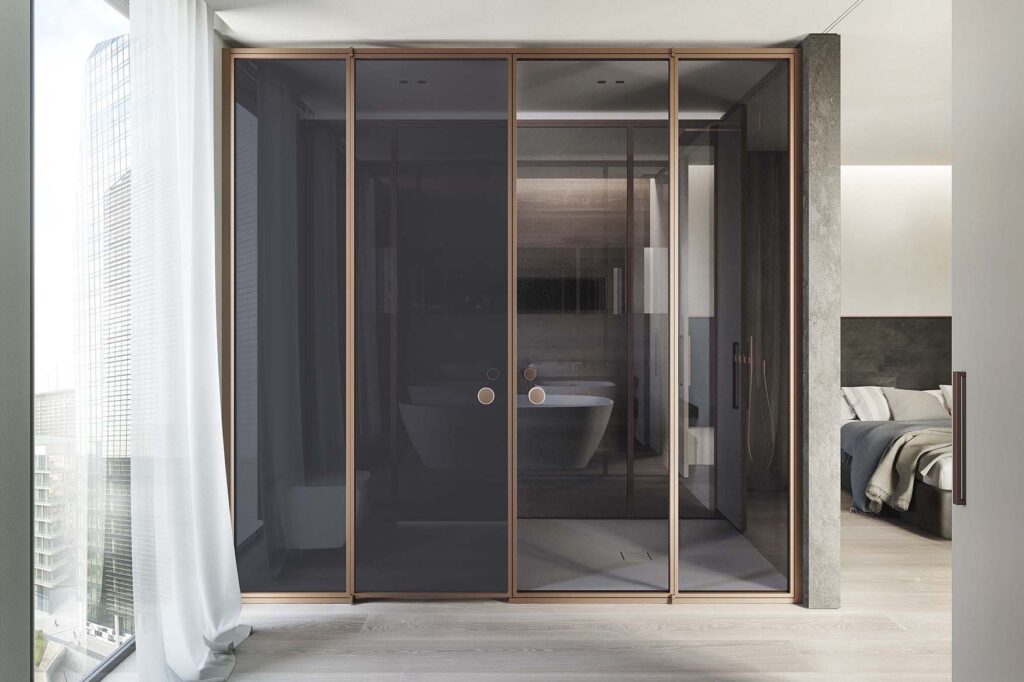
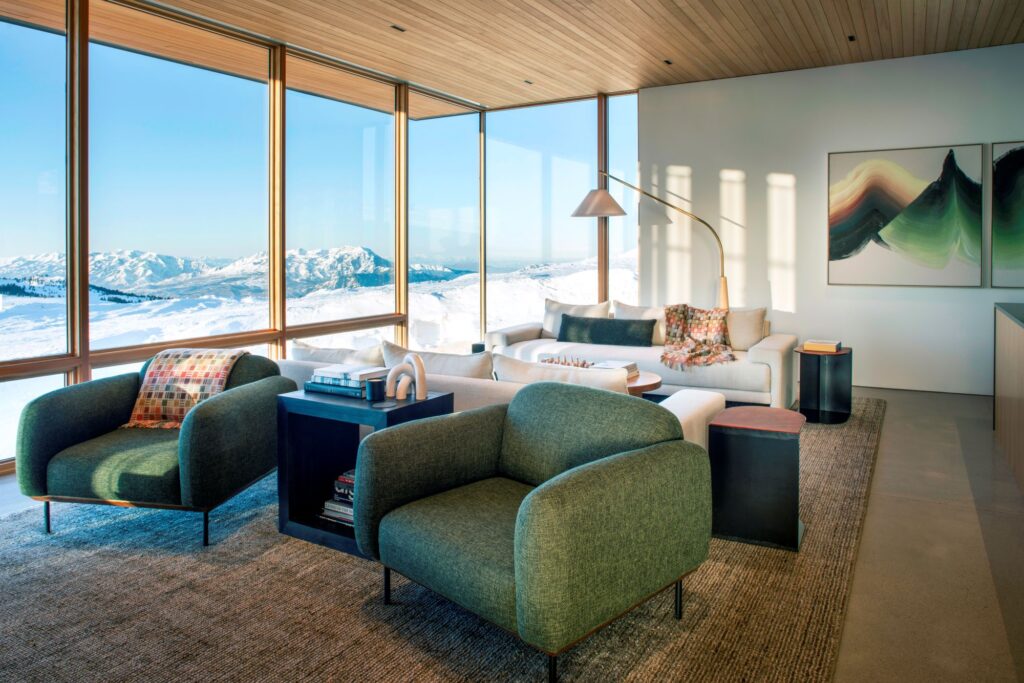
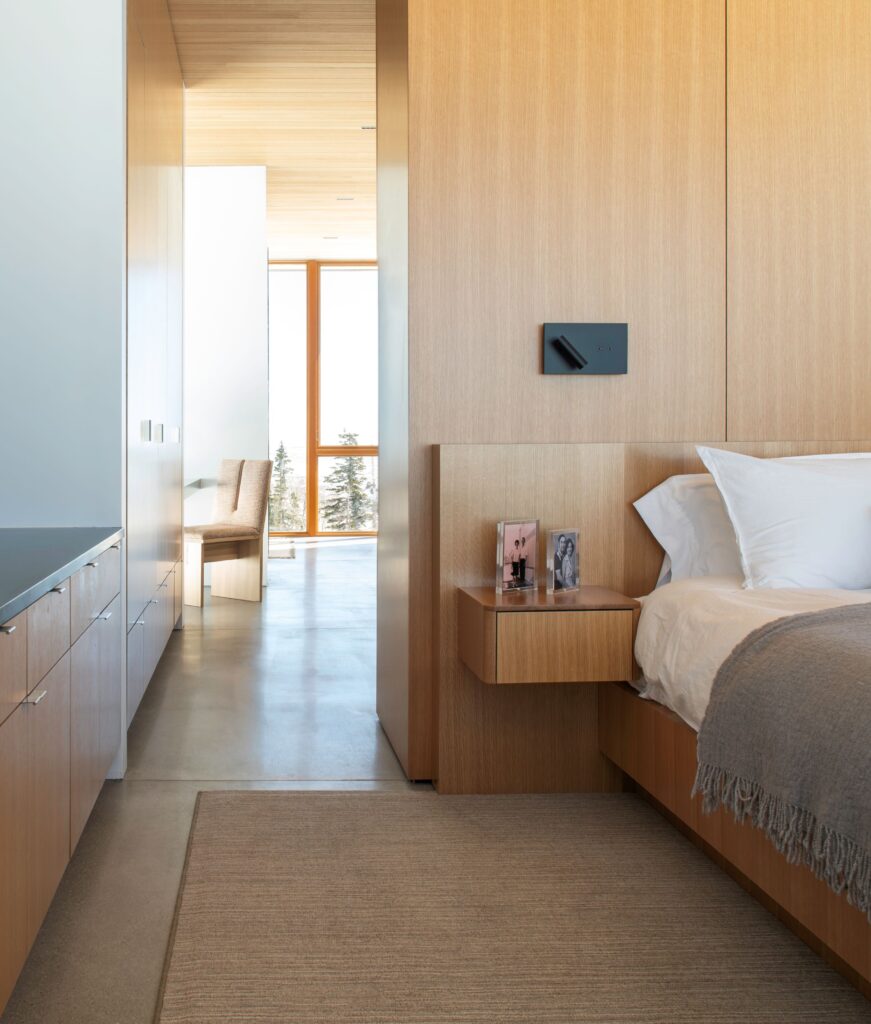
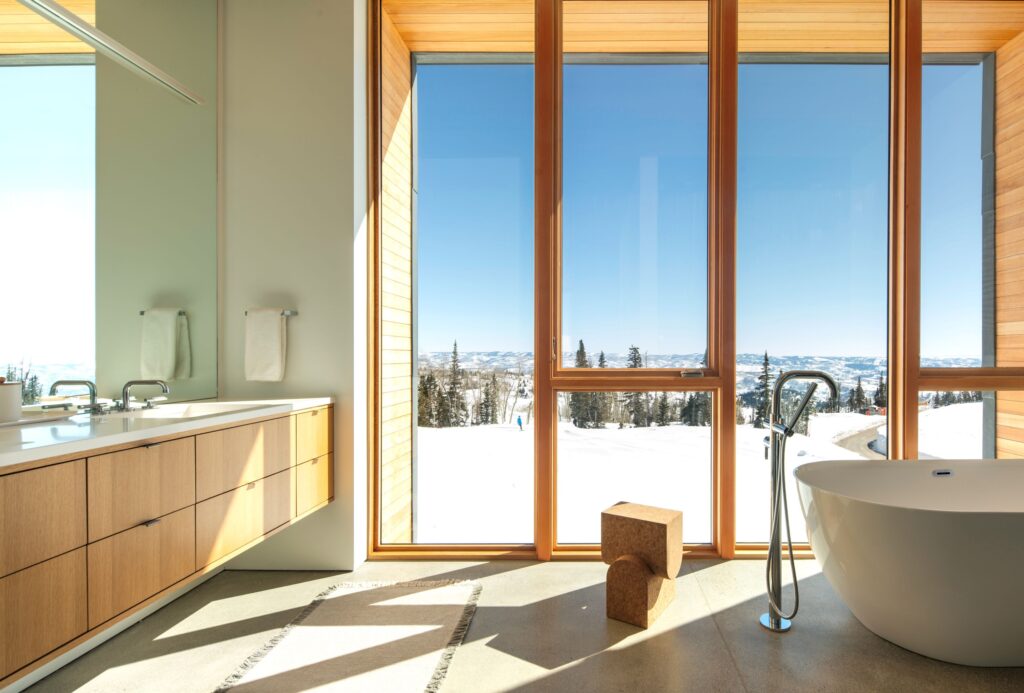
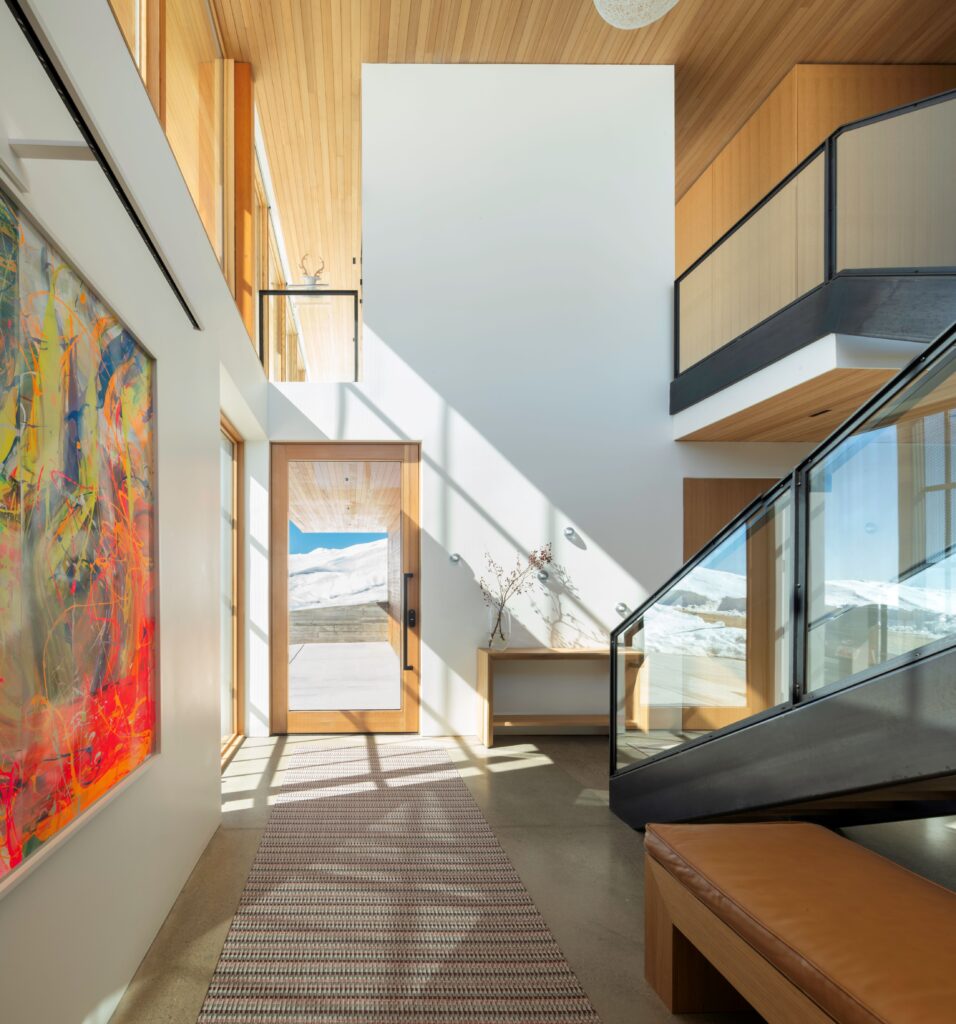
Inside, the house reflects the eclectic yet rigorous taste of the owners, who are lovers of Japanese design. The material palette features:
- Douglas Fir (Hem-Fir): used as the primary finish to warm the atmosphere.
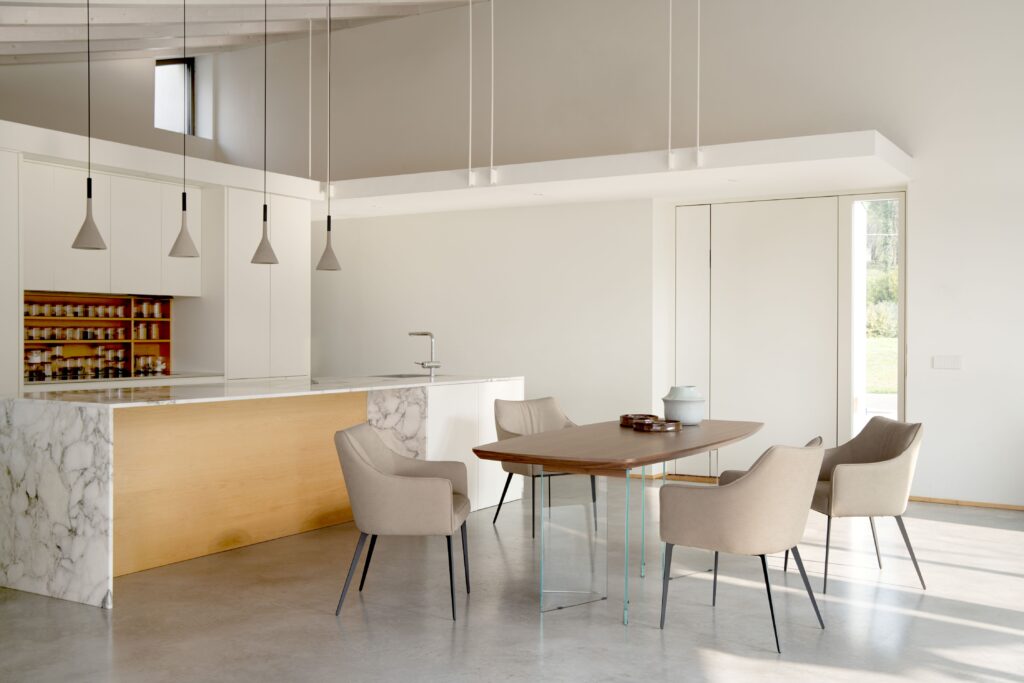
- White Oak: for custom cabinetry.
- Black Granite and Polished Concrete: for countertops and floors, ensuring durability and a minimalist style.
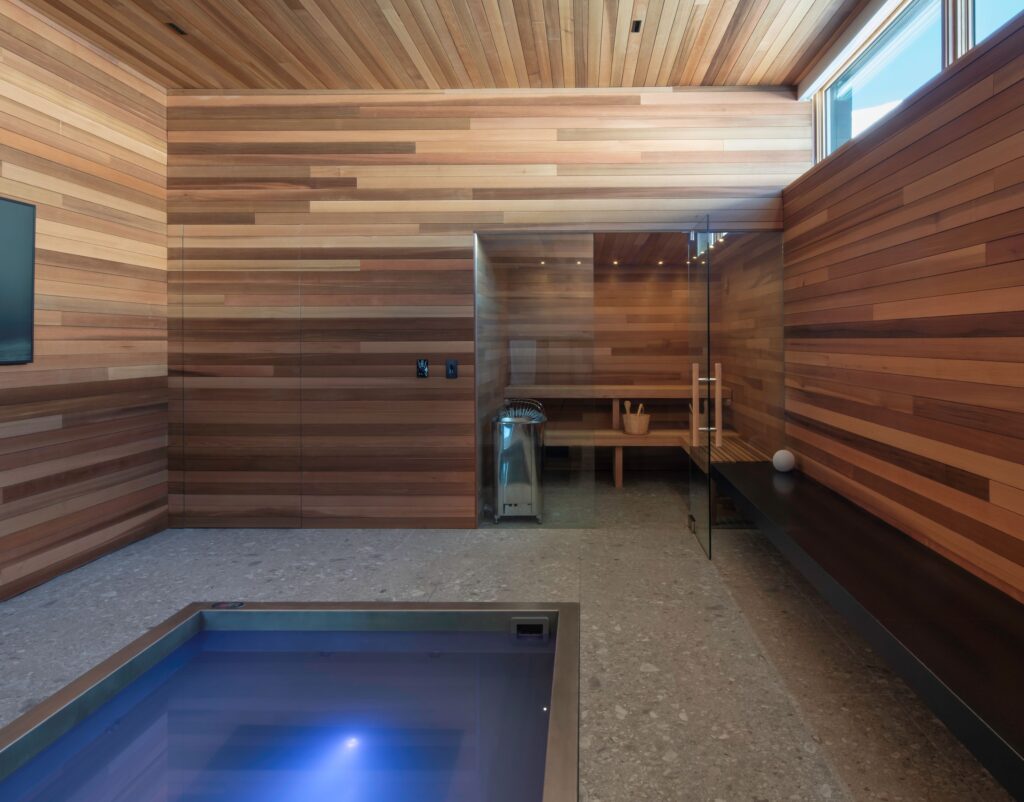
A precious exception is the onsen area, where walls and ceilings are clad in cedar wood—chosen for its therapeutic aroma—paired with stone tile floors that recall ancient Oriental baths.
Inclusive Design and Longevity: Multi-Generational Living
Beyond aesthetics, the project addresses the theme of aging in place. Thanks to the integration of an elevator connecting the garage to the main levels, the house is prepared to accommodate the owners in the future or their elderly parents.
The layout is designed for maximum privacy:
- Upper Level: a master suite with a private terrace and steam shower, separated from the rest of the house by a five-foot elevation change.
- Lower Level: guest spaces, two bedrooms, and a blackened steel “bunk room” for younger guests.
- Living Area: an “open” kitchen without wall-mounted cabinets or hanging structures, designed to maintain uninterrupted energy flow and spectacular views of the slopes.
High-Altitude Sustainability
Building at 8,800 feet required advanced engineering solutions. The house is powered entirely by propane with a high-efficiency radiant heating system. South-facing facades are protected by large overhangs to manage solar gain, while natural ventilation is guaranteed by strategically placed windows for summer cooling.
The impact on the landscape is minimal: the building is positioned on the northwest side of the ski runs, leaving the east side clear for snow storage, thus respecting the rhythms and needs of the mountain ecosystem.
Ph Erin Cullerton