From the André Ricard retrospective to the new frontiers of “Forma Design Fest,” Madrid Design Festival 2026 celebrates project-led design as a tool for social progress and collective memory
Design is not merely form, but an ethical response to the challenges of our time. This is the premise of the 2026 edition of the Madrid Design Festival, a program of events transforming the Spanish capital into an open-air laboratory. Ranging from historical icons to avant-garde experimentation, the festival outlines a journey from domestic function to environmental responsibility, centering on the concept of “design in use.”
®Jorquera
André Ricard: The Ethics of Function
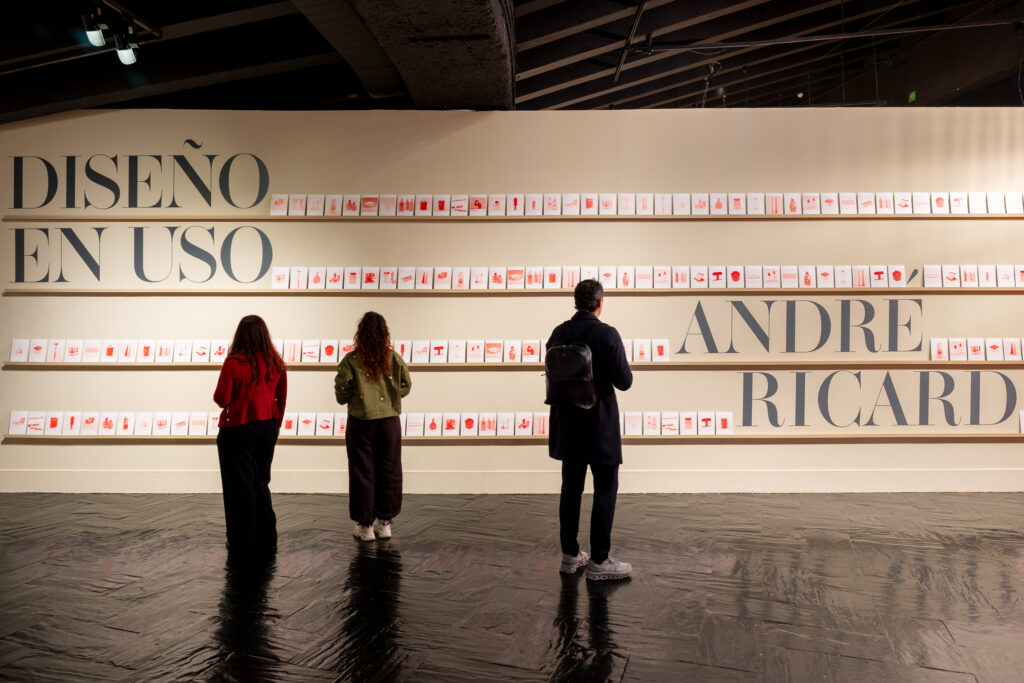
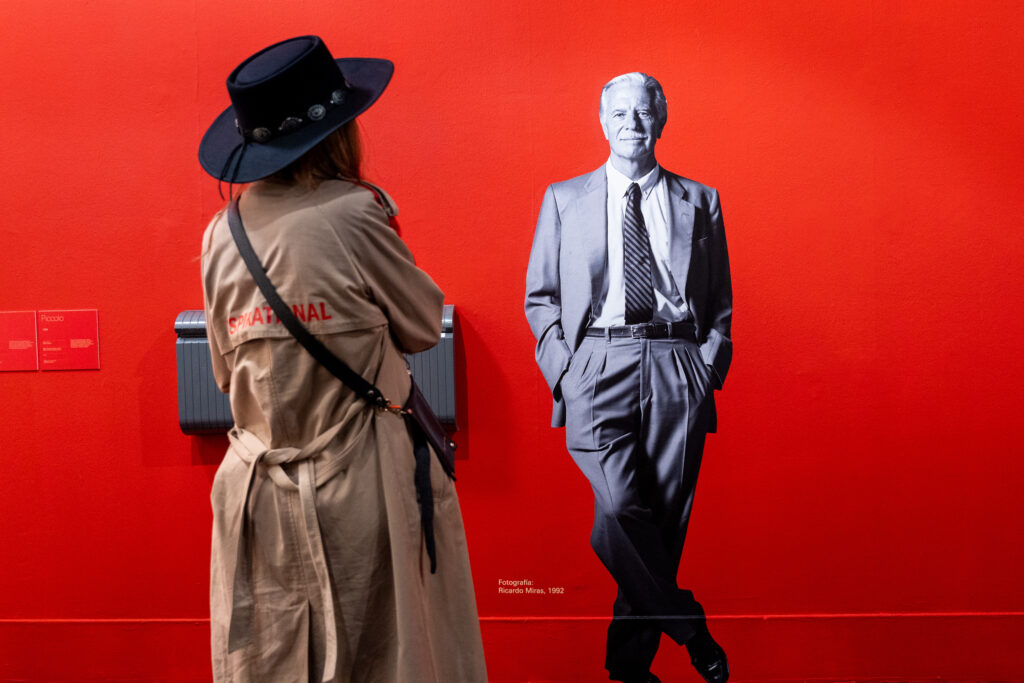
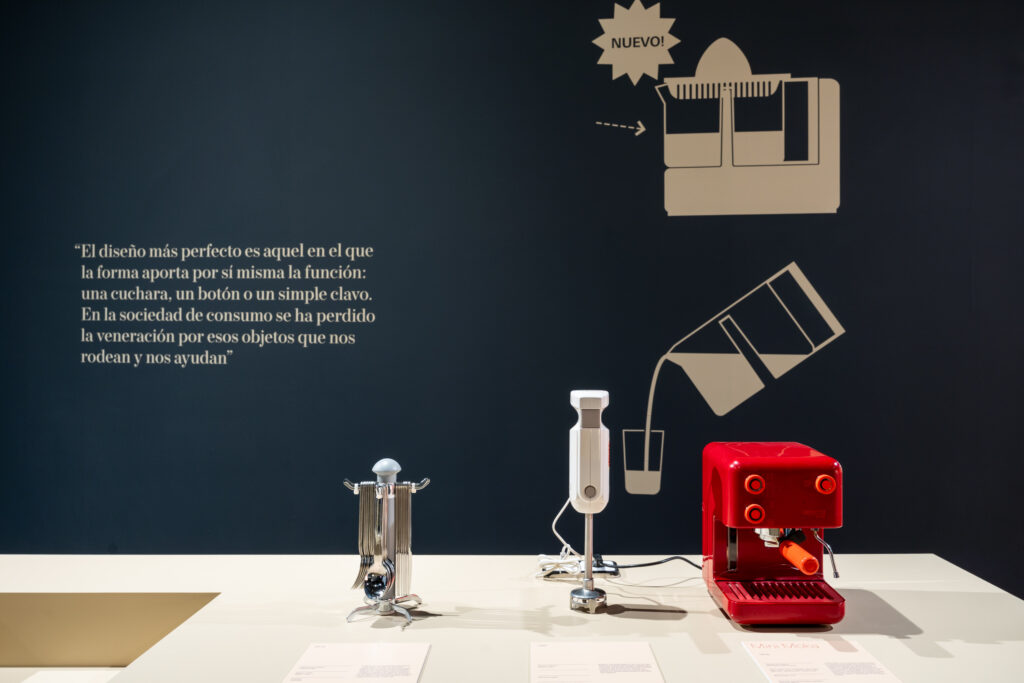
The beating heart of the exhibitions at the Teatro Fernán Gómez is the major retrospective dedicated to André Ricard, a pioneer of Spanish industrial design and winner of the Madrid Design Festival Award 2025. Curated by Marina Povedano and Arnau Pascual, the exhibition “Design in Use” is not a simple parade of objects, but an investigation into the theoretical thinking that has made Ricard an essential reference point.
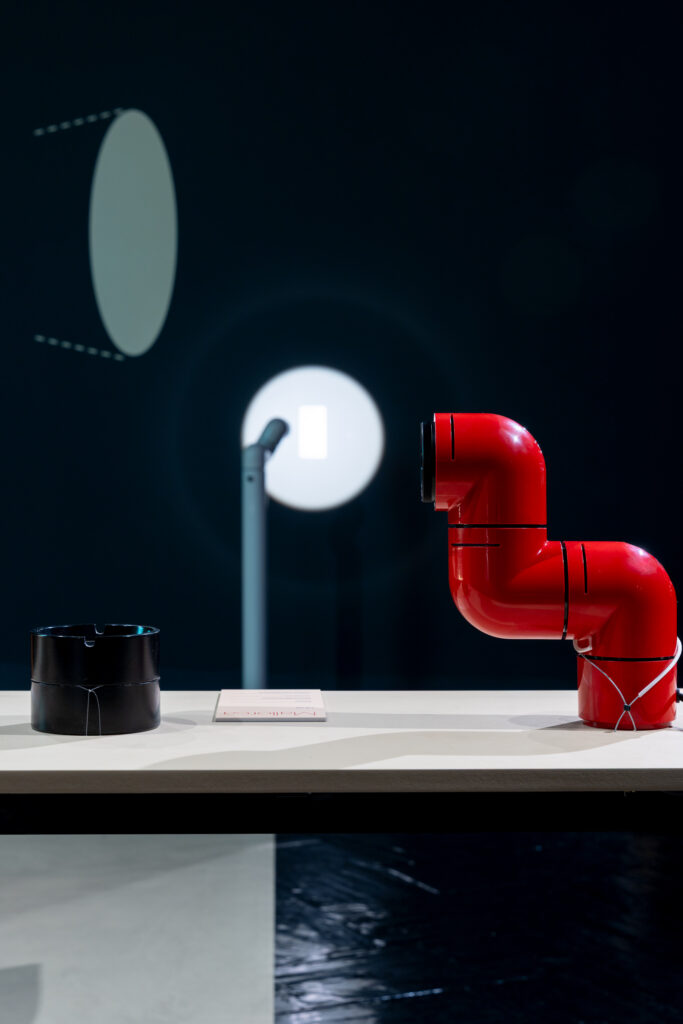
The Icons: from the legendary Barcelona ’92 Olympic torch to the Copenhagen ashtray and Puig perfume bottles.
The Journey: the exhibition organizes his work through everyday spaces: the table, the bathroom, the kitchen, and the studio.
“Design must be useful, ethical, and committed,” Ricard maintained—a mantra that resonates more than ever in today’s landscape of contemporary material culture.
Andre_Ricard_Manifiesto_Mediterraneo_Guatemala
Mediterranean Manifesto: Design as Resistance
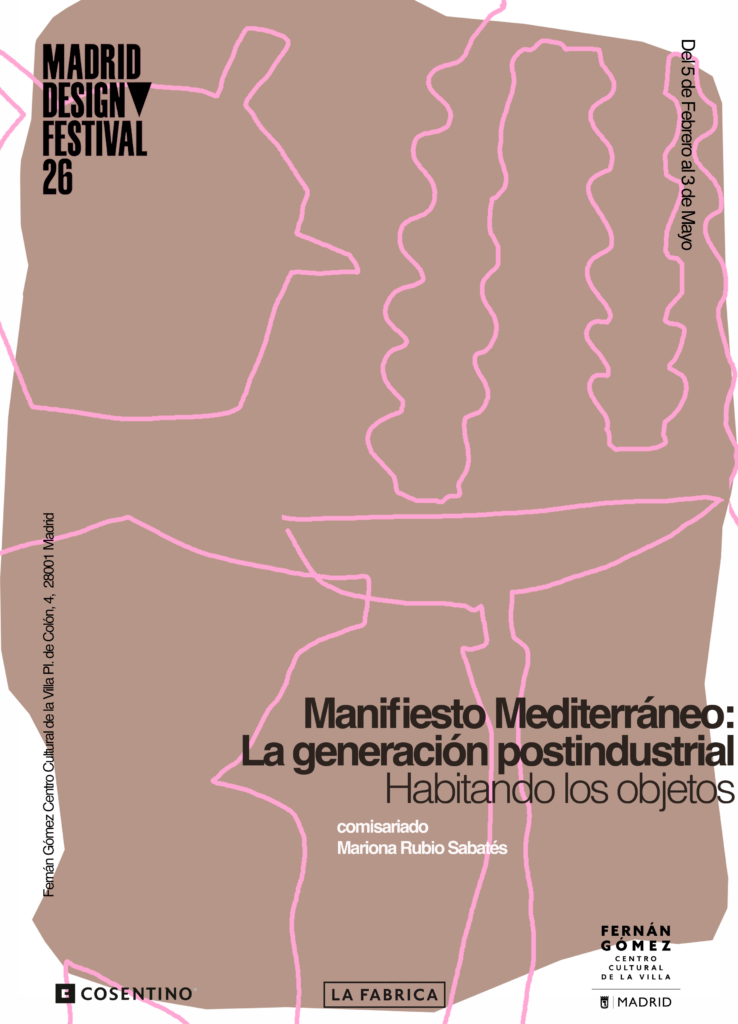
Also at the Centro Cultural de la Villa, the collective exhibition “Mediterranean Manifesto,” curated by Mariona Rubio Sabatés, sends out a cry of both alarm and hope. In a system that advances relentlessly, design is called upon to pause and observe.
Thirty international artists use ceramics, glass, and textiles to reflect on:
Environmental Impact: the threat of pollution in the Mare Nostrum.
Contemporary Craft: the recovery of ancestral techniques in dialogue with recycled materials.
In Praise of Imperfection: a response to mass industrial standardization.
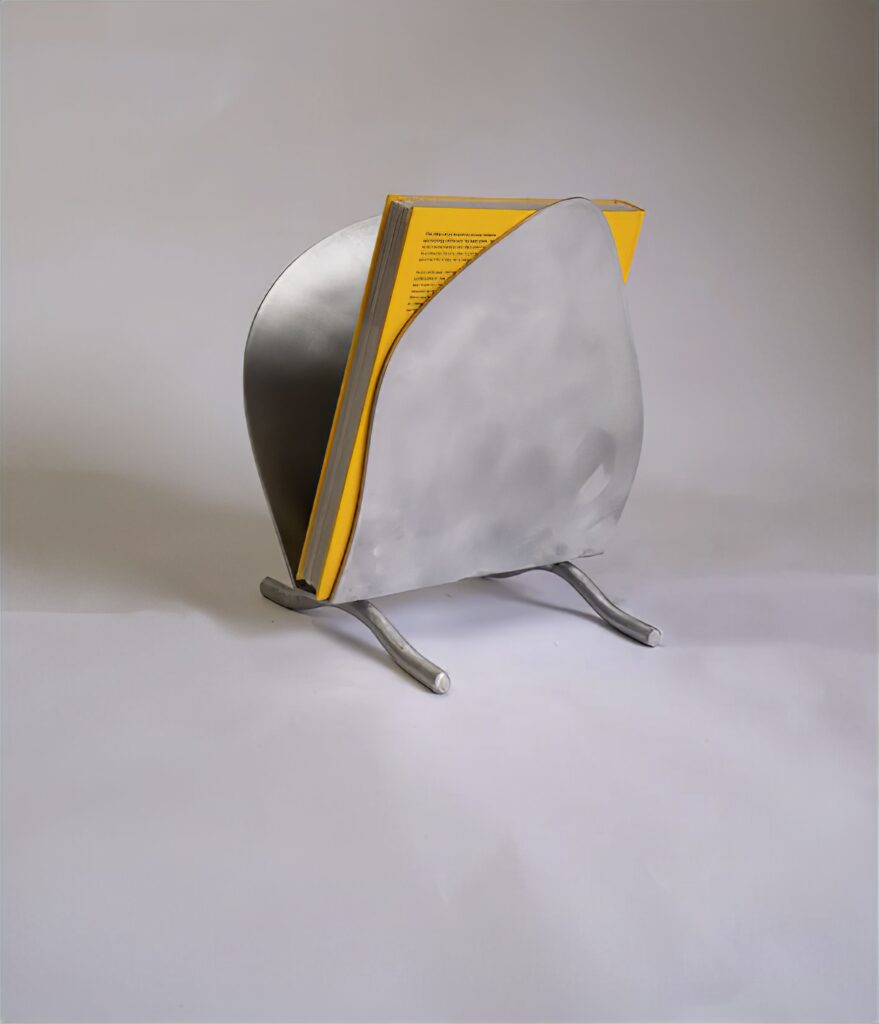
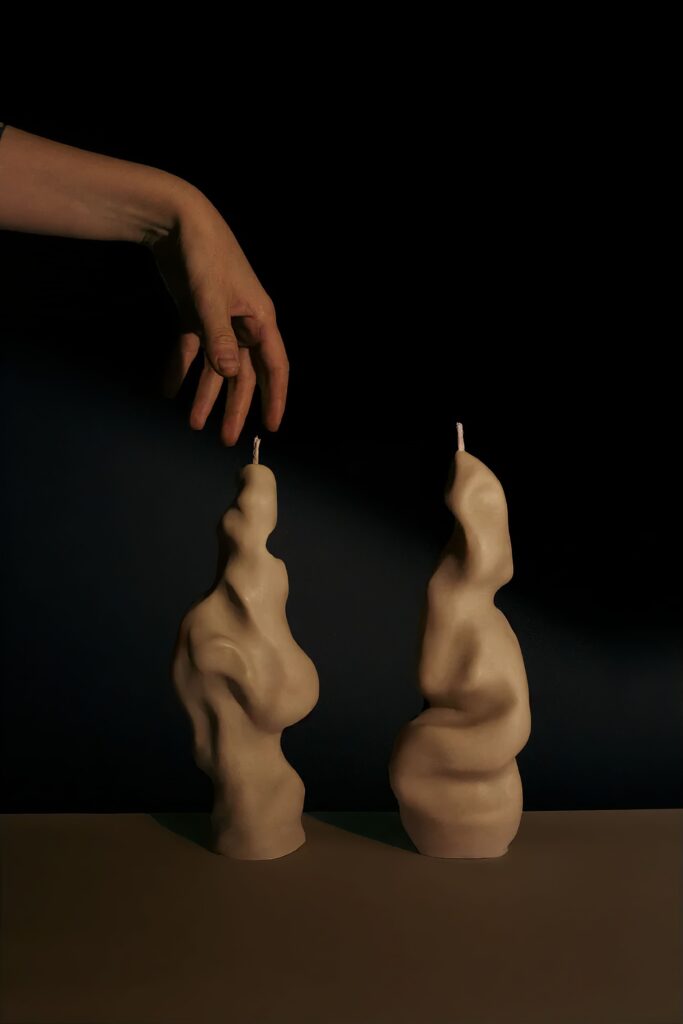
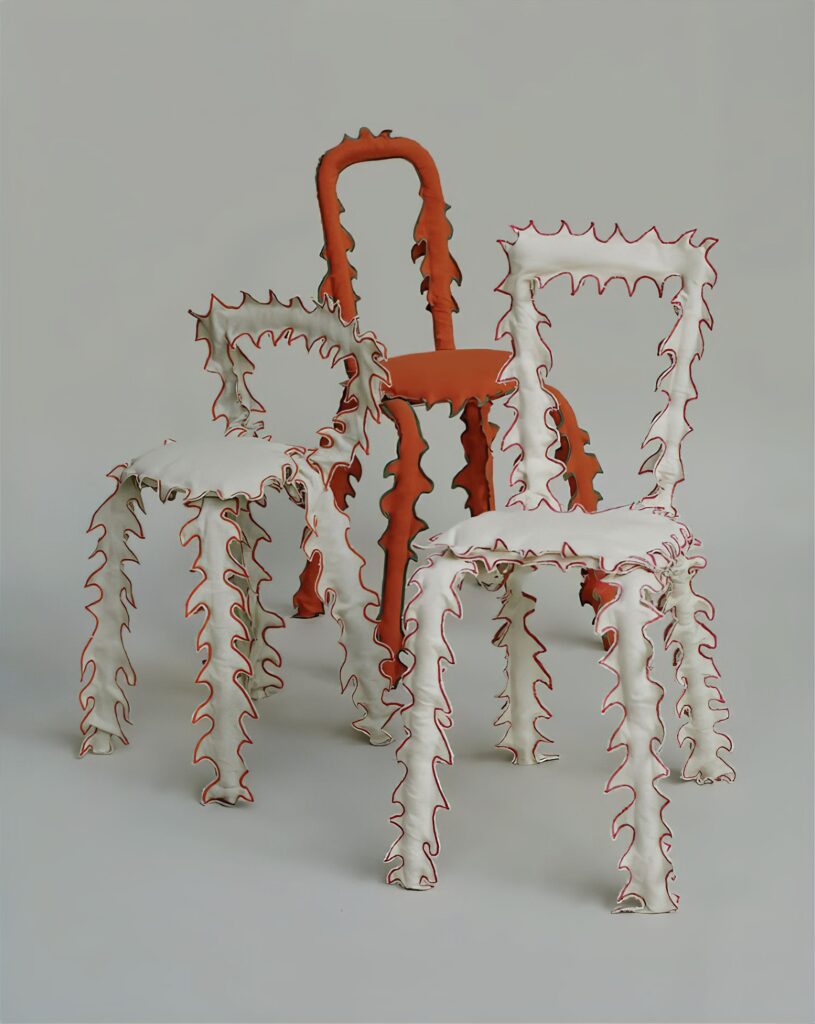
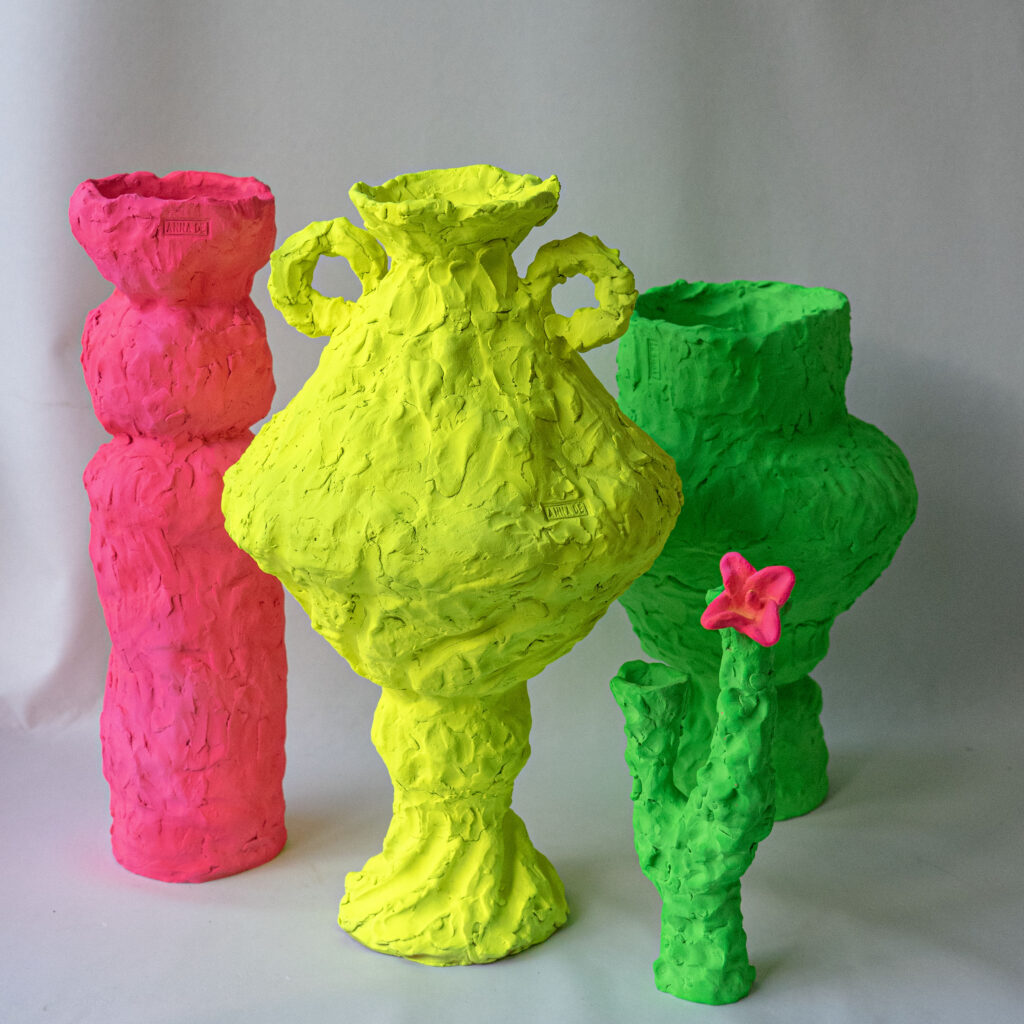
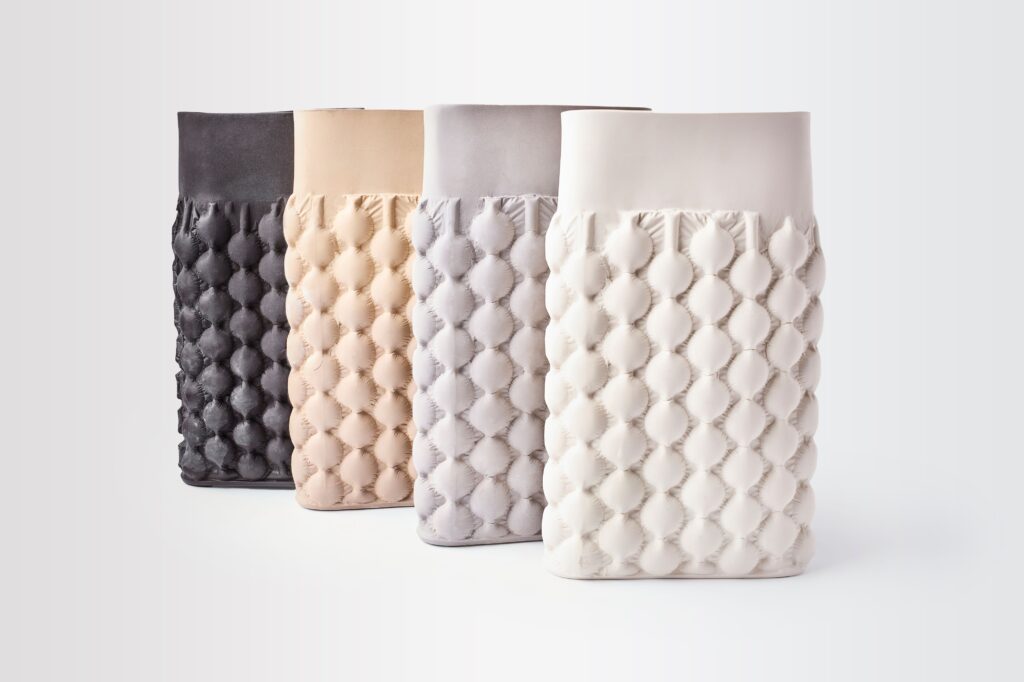
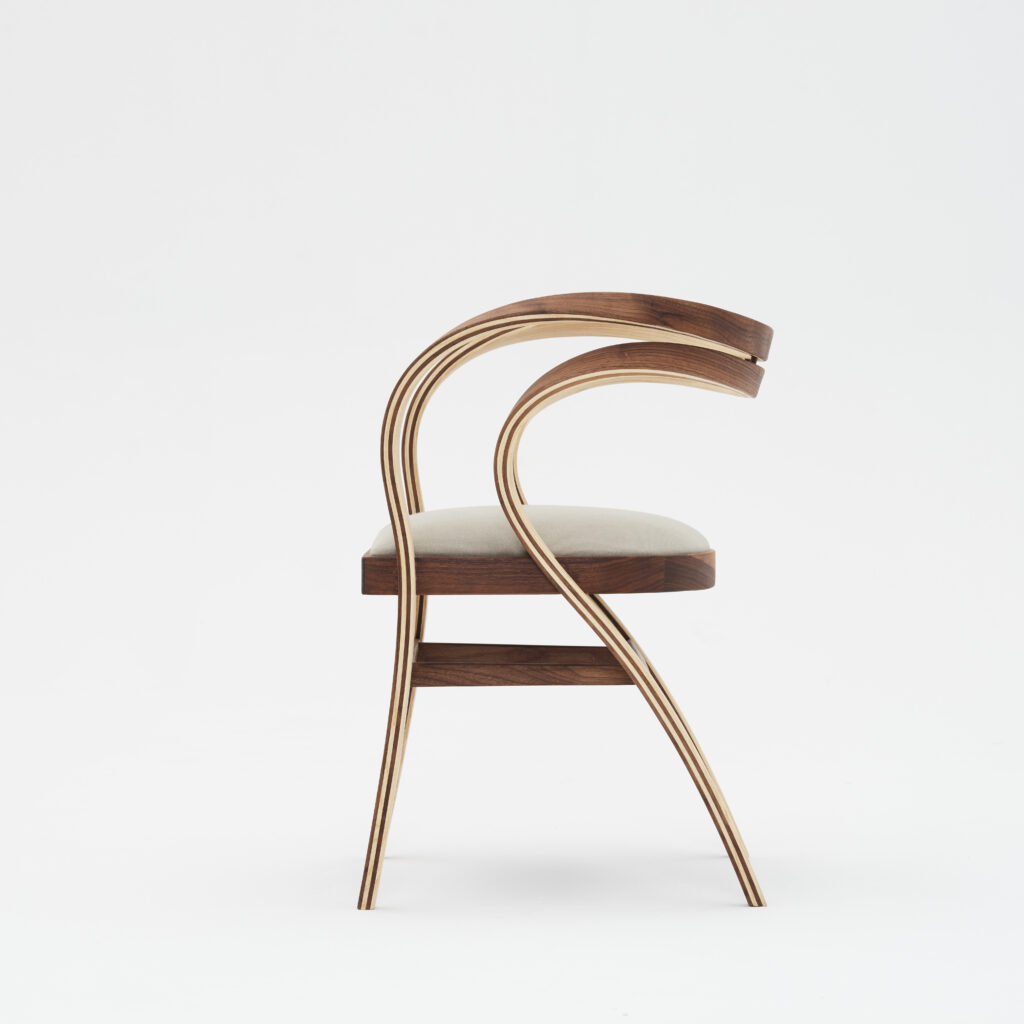
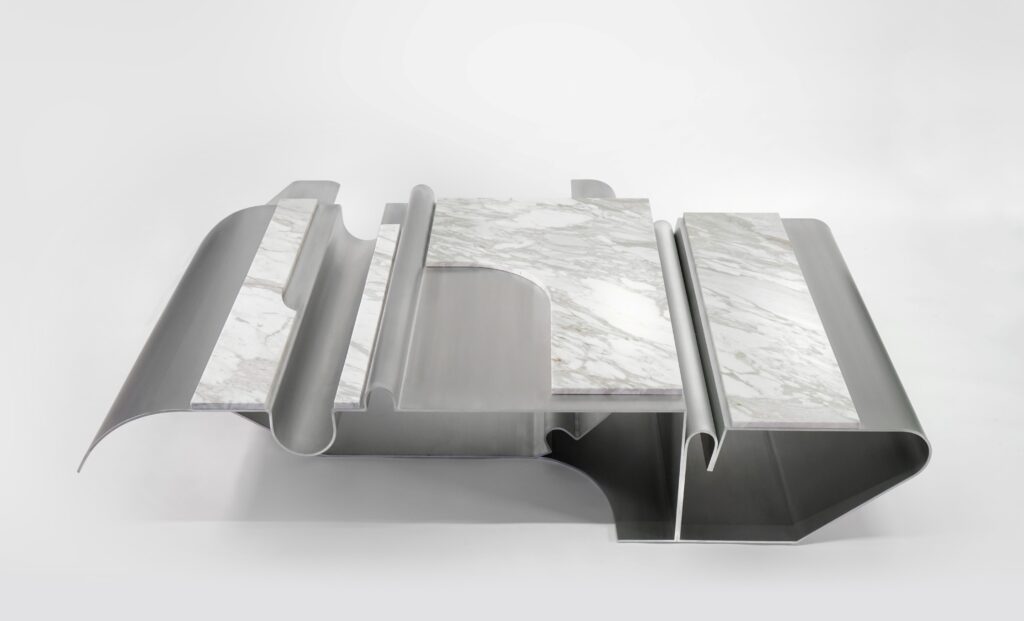
Six Dots Design-Magazine rack Mulier Studio-velas Pieles EstoStudio-Disguise Chair
New at Madrid Design Festival 2026: Forma Design Fest
The biggest novelty this year is the debut of Forma Design Fest (March 4–8). Far from a simple fair, it is a professional ecosystem dedicated to collectible design. Curated by Antonio Luna and Emerio Arena, the event brings together elite galleries and emerging studios (such as Gärna Gallery and Sancal) to connect industry with creative talent, positioning Madrid as a strategic hub in the international market for designer furniture.
Material Laboratories: Wool, Textiles, and Innovation
The festival explores matter through immersive projects that bridge distant territories and ancient traditions.
The Alliance for Wool
For the second consecutive year, wool takes center stage as a strategic material for sustainability. Mónica Sánchez-Robles’ installation “Matter in Transit” explores transhumance (UNESCO Intangible Cultural Heritage) as a “physical archive of movement,” transforming the fiber into a geographical and political narrative.
Guatemala in Madrid
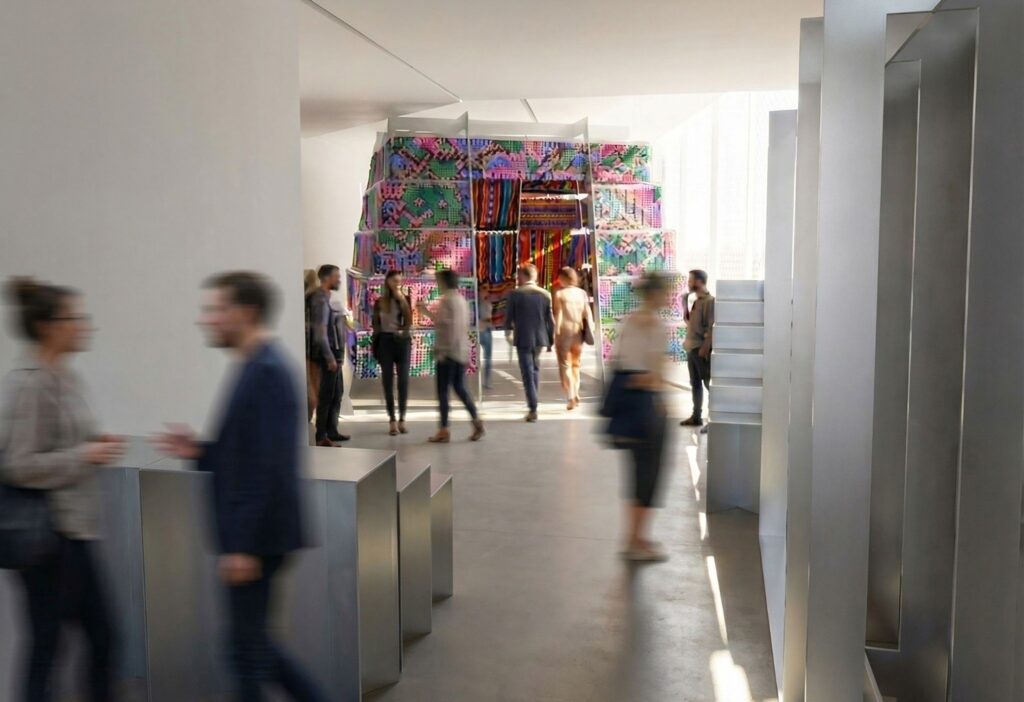
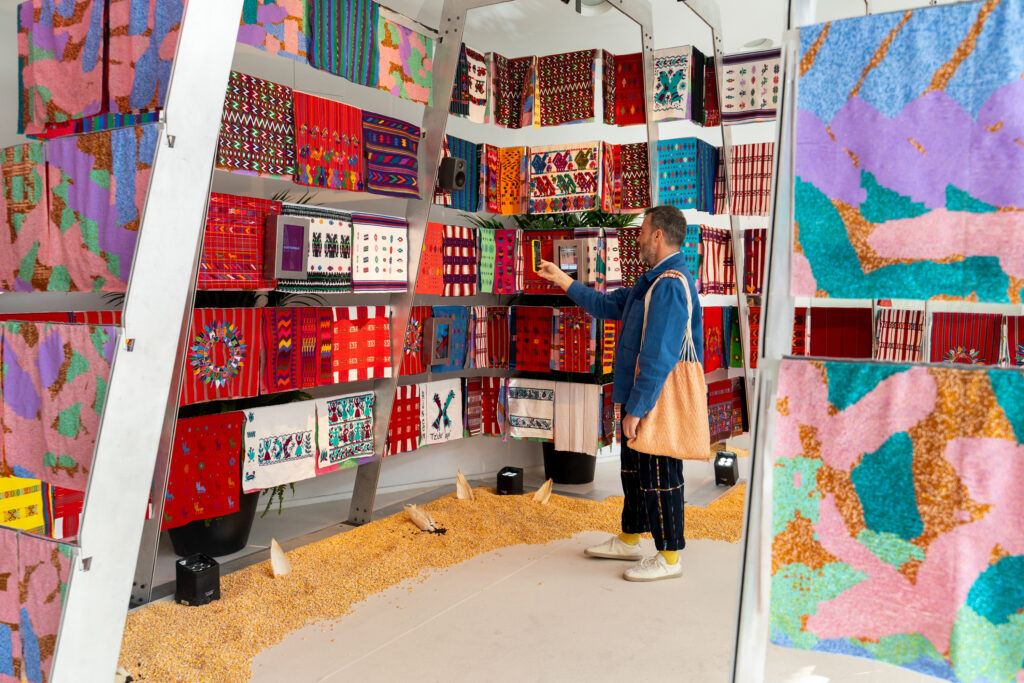
This edition’s guest country brings an explosion of textile color to the Fernán Gómez. The exhibition “Textile Art and Guatemala” transforms the space into a contemporary Chichicastenango market, where traditional huipiles engage with immersive projections and the sounds of the Maya land.
Excellence and Social Impact: The 2026 Awards
The festival culminates with the recognition of the great masters. The Madrid Design Festival Awards 2026 celebrate three figures who have redefined the boundaries of the discipline:
Konstantin Grcic: technical rigor that transforms into industrial innovation.
Juli Capella: the architect and communicator who gave Spanish design its voice.
Rossana Orlandi: the Milanese “talent scout” who turned curation into an art form.
Finally, on the emerging talent front, the MINI Design Awards continue to honor projects capable of improving urban life, focusing on sustainability and new materials—solidifying the idea that design is, above all, a discipline at the service of the city.
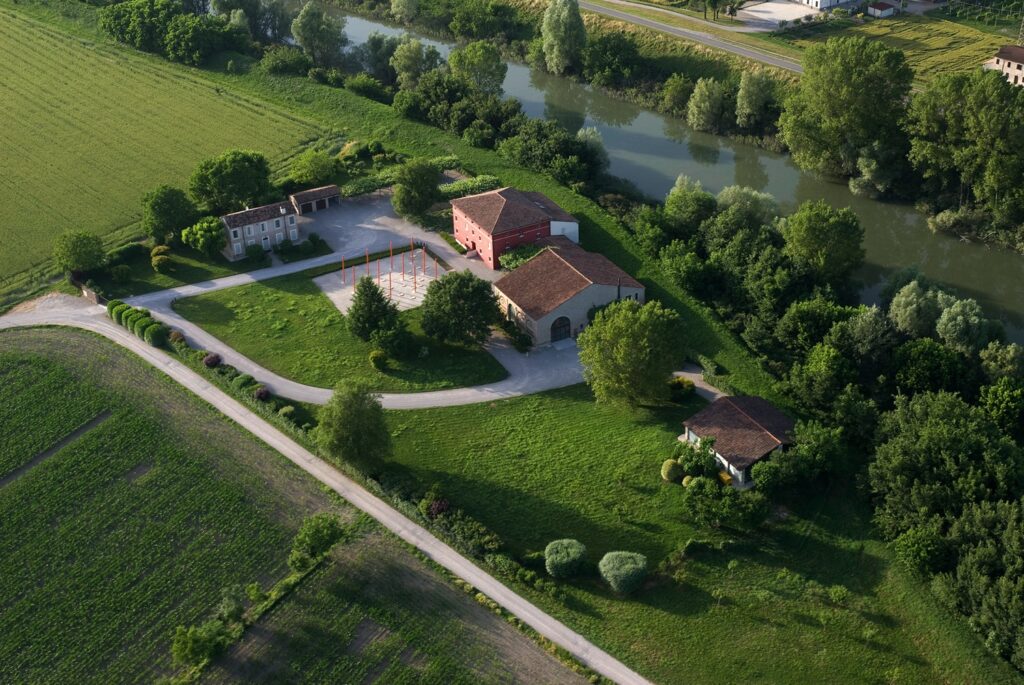
“In realtà, volevamo fare dell’altro” (“Actually, we wanted to do something else”) is the title of the exhibition celebrating the 50th anniversary of Agape, a company founded on the banks of the Mincio River in 1973.