

The 2026 EUmies Awards present the 40 works that have shaped the state of contemporary European architecture through sustainability, regeneration, and social innovation
The announcement of the 40 works shortlisted for the European Union Prize for Contemporary Architecture / Mies van der Rohe Awards 2026 offers a precise snapshot of European design evolution. A total of 410 nominations were analyzed by an international jury chaired by Smiljan Radić (President), alongside Carl Bäckstrand, Chris Briffa, Zaiga Gaile, Tina Gregorič, Nikolaus Hirsch, and Rosa Rull, who evaluated the projects over three days of deliberations in Barcelona.
The dominant criterion that emerged is the ability of these works to respond to contemporary challenges through architectural quality, environmental responsibility, and social impact, contributing to the climate goals of the European Green Deal. The concept of “freshness”—understood as a new design energy—guided many of the final selections.
A Rich and Diverse European Map
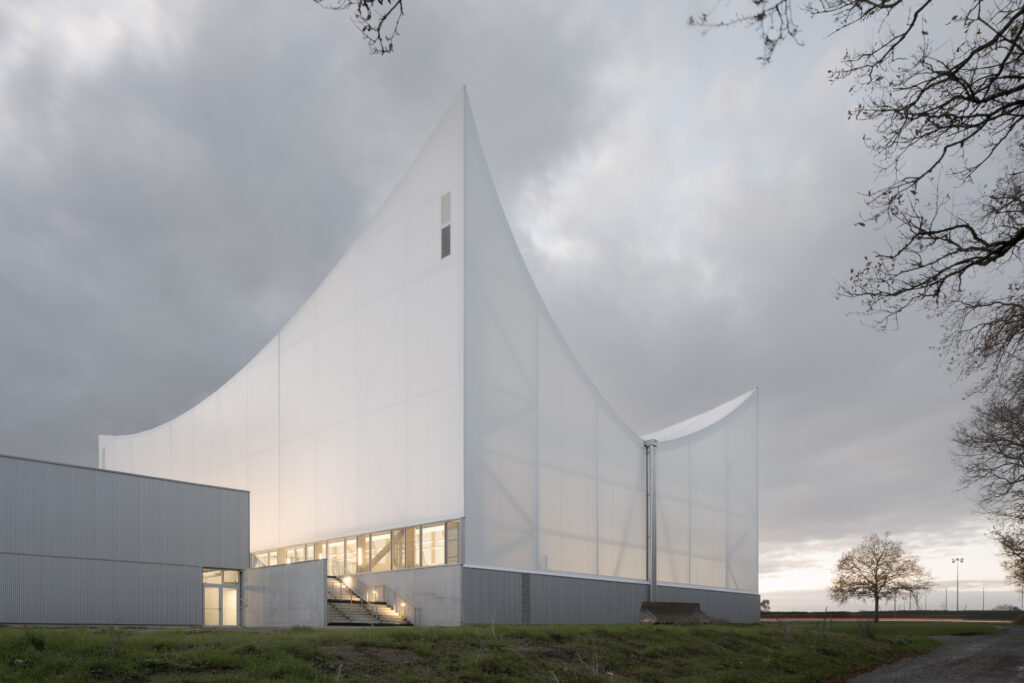
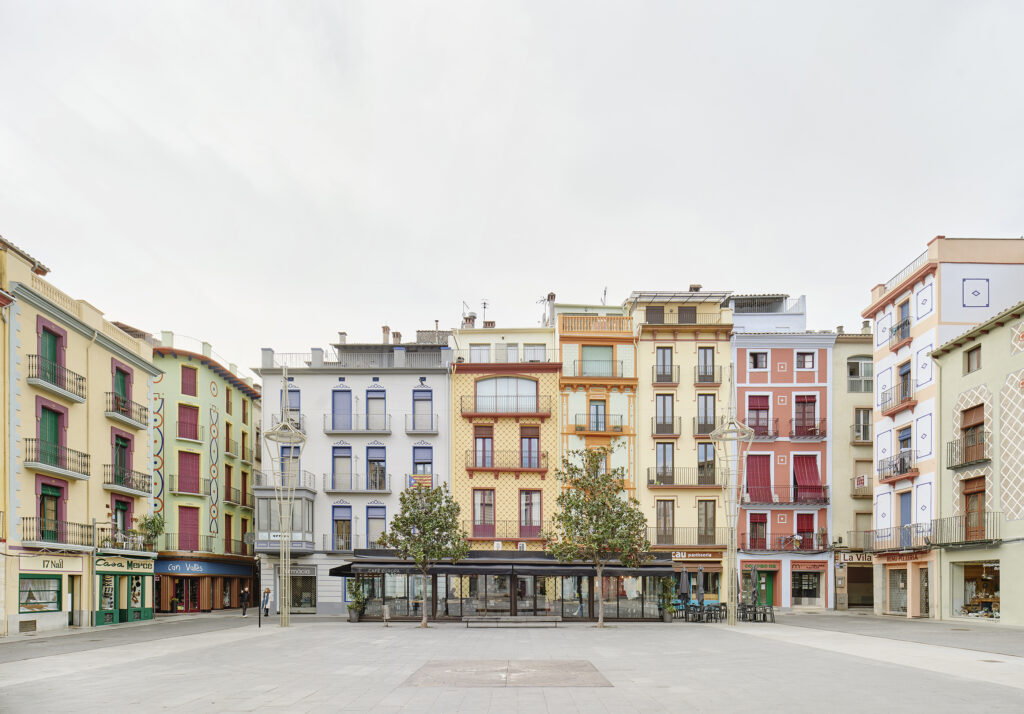
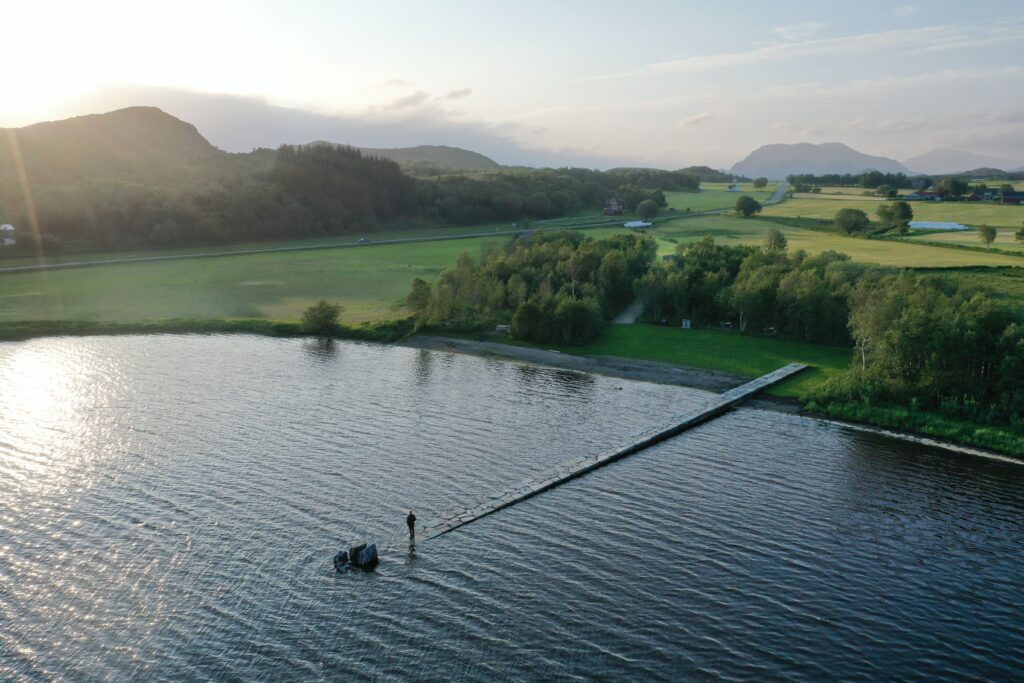
The selected works come from 36 cities across 18 countries, reflecting the geographical and cultural breadth of contemporary European architecture. France (9 projects), Spain (7), Denmark (4), and Belgium (3) show a strong concentration. Meanwhile, Austria, the Czech Republic, Finland, Hungary, Lithuania, Poland, Portugal, Slovakia, Slovenia, Sweden, and Tunisia are represented by one work each. Italy stands out with two significant interventions. The panorama includes both metropolitan contexts—Paris, Vienna, Copenhagen, Milan—and smaller centers like La Bouëxière, Lit-et-Mixe, or Kautokeino, confirming the plurality of territories where European architecture is tested today.
Italy in the Spotlight: Between Regeneration and Heritage
The Italian contribution to the 2026 EUmies Awards is distinguished by its quality and sensitivity to context. The two selected works are:
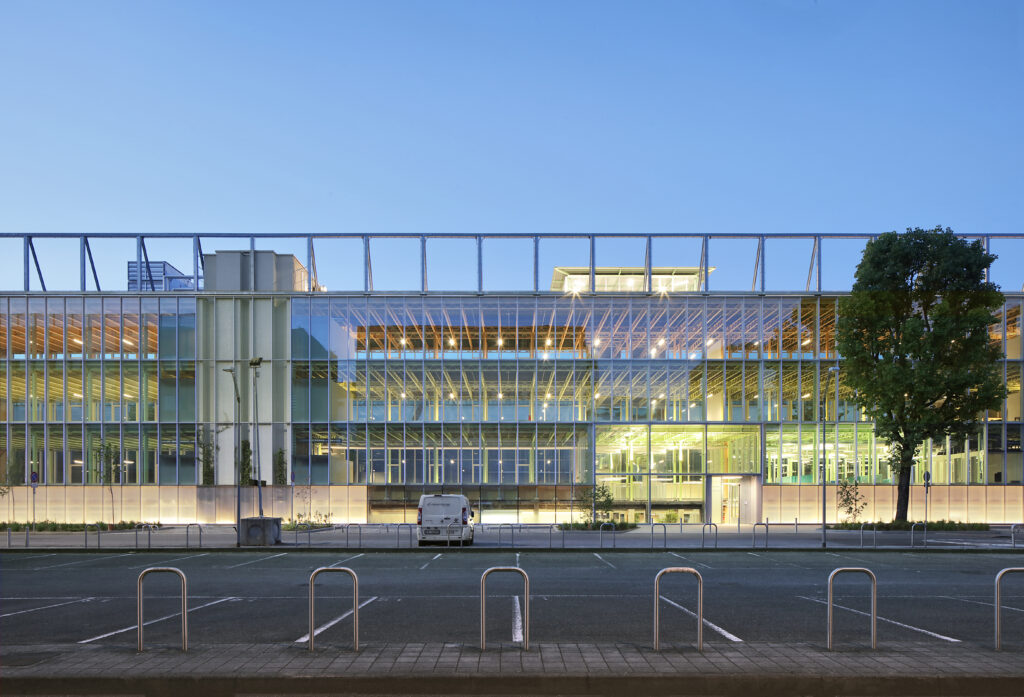
- Bicocca Superlab (Milan) – A mixed-use project by BALANCE Architettura for MASINI 011 SRL, which interprets the contemporary workplace with an innovative language.
- The Project of Time – Restoration of the former Church of San Barbaziano (Bologna) – An intervention by Studio Poggioli, commissioned by the National Museums of Bologna and the Regional Directorate of Museums of Emilia-Romagna.
These two projects reflect central themes such as urban regeneration, the interpretation of heritage, and operational sustainability.
Programs, Typologies, and New Design Strategies
The selection covers 15 different architectural programs, with a predominance of cultural interventions (8), followed by mixed-use projects (6), schools and educational facilities (5), landscapes and open spaces (4), single-family houses (3), and sports facilities (3). The list is completed by collective housing, infrastructure, urban planning, ephemeral architecture, health, industry, social welfare, and commerce projects.
Overall, the shortlist features 21 regeneration projects, 17 new constructions, and 2 extensions, confirming the central role of reuse and the transformation of existing structures in contemporary European architectural practice. Strategies range from restoration and consolidation to partial demolition and reconstruction, utilizing local or on-site materials—approaches that integrate creativity, sustainability, and deep attention to context.
Upcoming Events and the Out&About Program
The 2026 EUmies Awards calendar includes:
- February 2026: Announcement of the finalist works.
- April 2026: Proclamation of the winners.
- May 2026: EUmies Awards Days at the Mies van der Rohe Pavilion in Barcelona, as part of Barcelona UNESCO World Capital of Architecture 2026.
Starting in April, the Out&About program will bring the 40 selected works to the general public through tours, activities, and meetings with the architects. The works are also available to view online at eumiesawards.com.