




The new face of the historic Hotel Bella Vista, combining high-altitude sustainable architecture with well-being and local craftsmanship
Sustainable architecture now represents the fundamental frontier for the enhancement of the modern Alpine territory. The respectful integration of new structures into the mountain landscape requires a profound ecological and compositional sensitivity. Designing at high altitudes means, in fact, preserving the surrounding visual and environmental balance.
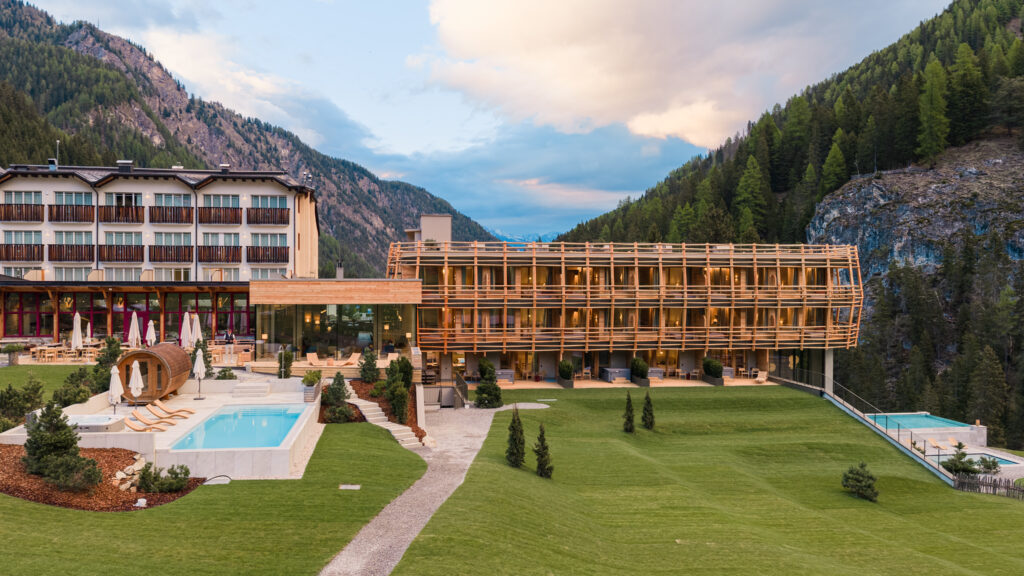
The new face of the historic Hotel Bella Vista
In Trafoi, the long-awaited expansion of the historic Hotel Bella Vista has been officially inaugurated. The project bears the prestigious signature of the Matteo Thun & Partners studio. The intervention enhances the historic hospitality structure dating back to 1875. The property has belonged for generations to the family of the legendary Olympic ski champion Gustav Thöni.
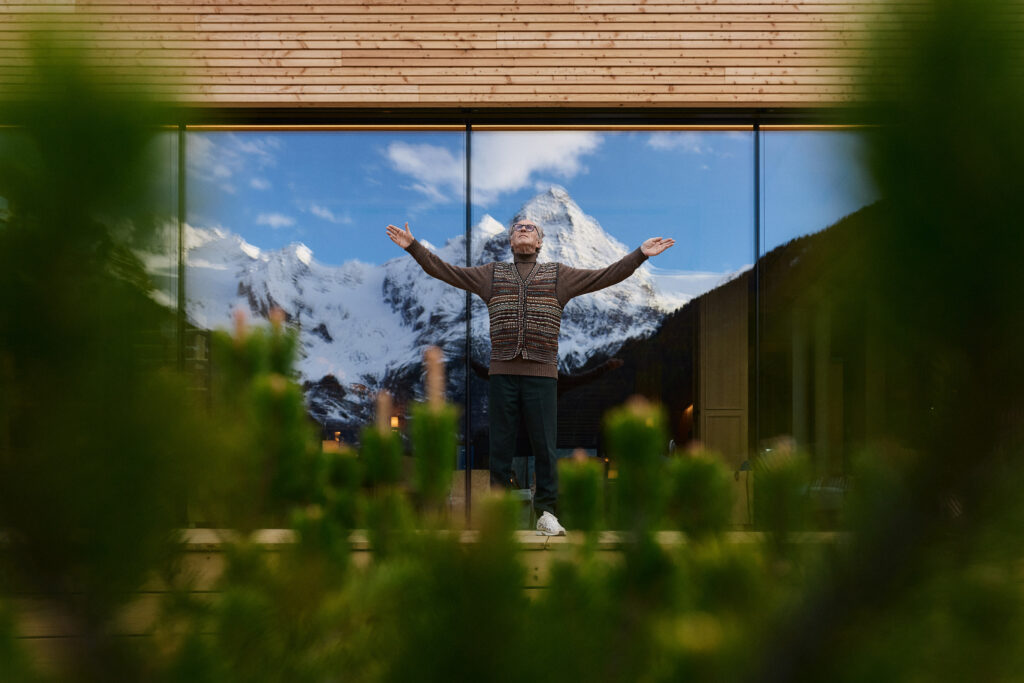
A model of sustainable high-altitude architecture
The work perfectly expresses the stylistic canons of sustainable architecture applied to discreet luxury hospitality. The overall volume has reached a total of 21,000 cubic meters. The new structures develop as a light and transparent organism. The large panoramic windows eliminate the visual boundaries between the interior spaces and the wild nature of the Stelvio.
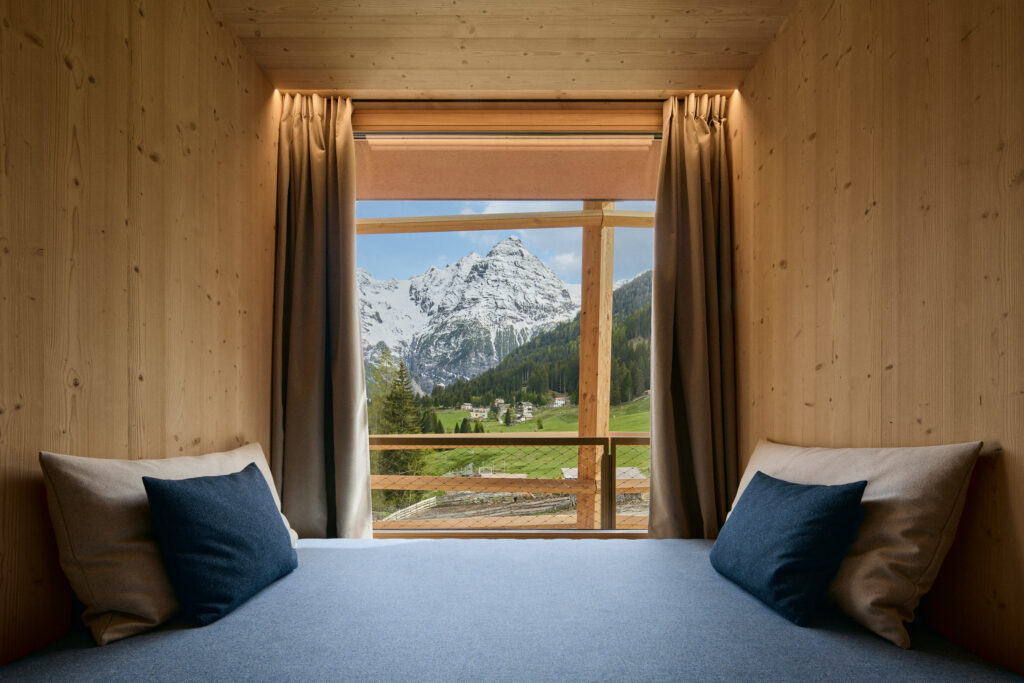
The numbers behind a project centered on well-being and design
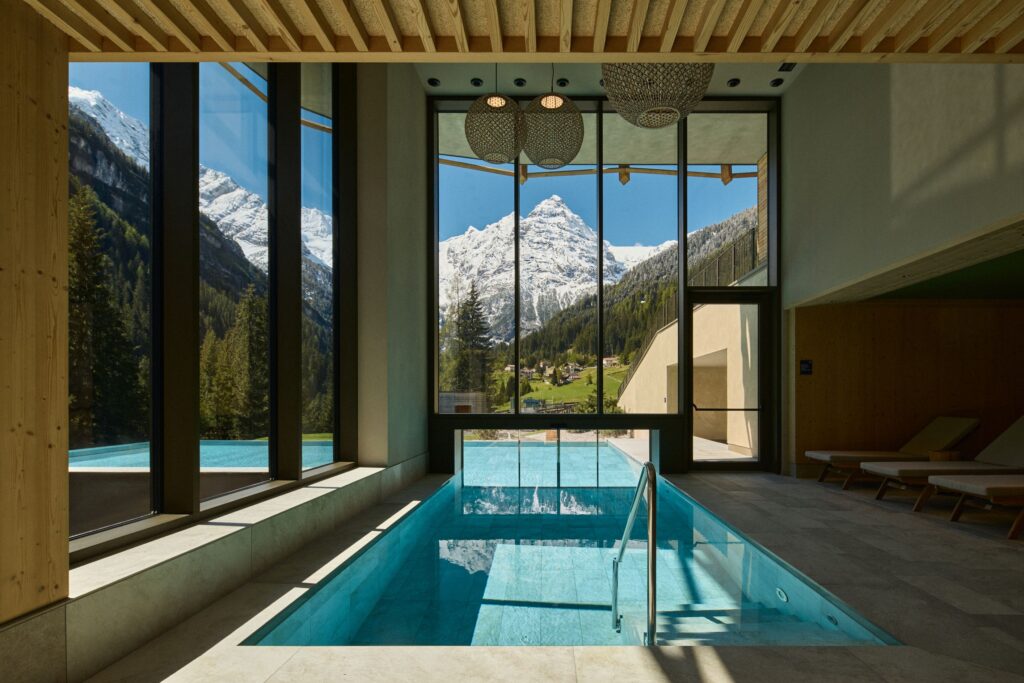
The complex accommodates 24 exclusive Nature Suites facing the Ortler. The wellness area boasts over 5,000 square meters of indoor and outdoor spaces. Guests can enjoy four saunas and a splendid panoramic infinity pool. For families, there is a Family Spa featuring spectacular water slides.
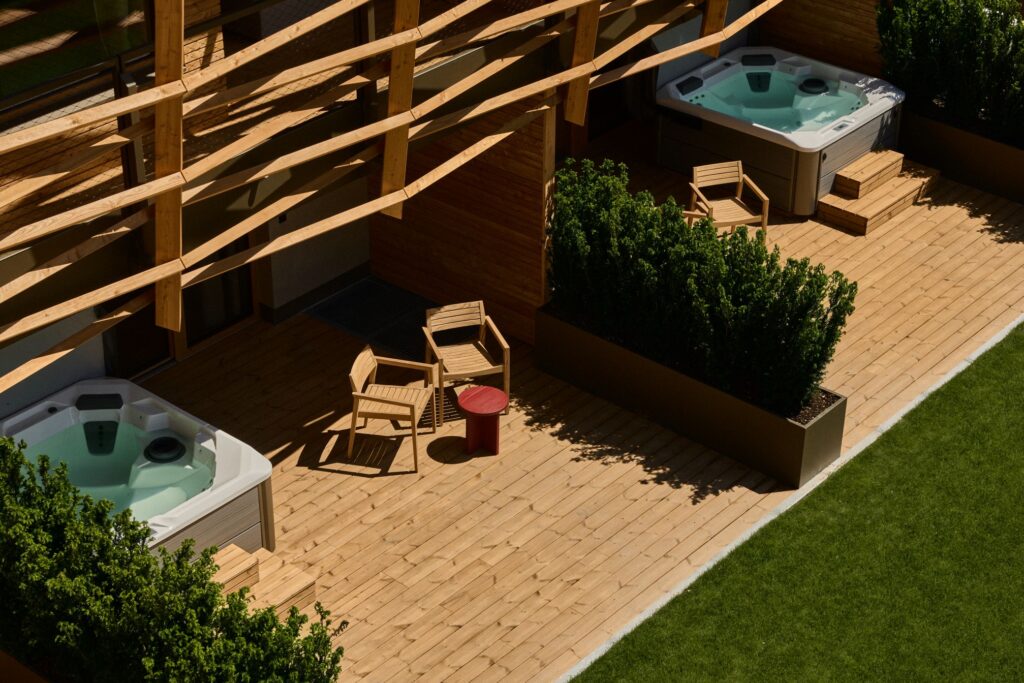
The strength of zero-kilometer materials
True sustainable architecture is recognized by the rigorous selection of raw materials used on site. In fact, the project privileges local woods such as stone pine, spruce, and oak. The local stone was shaped directly by the waters of the Trafoi River. This approach drastically reduces the environmental impact associated with transport.
Local craftsmanship and emotional interior design
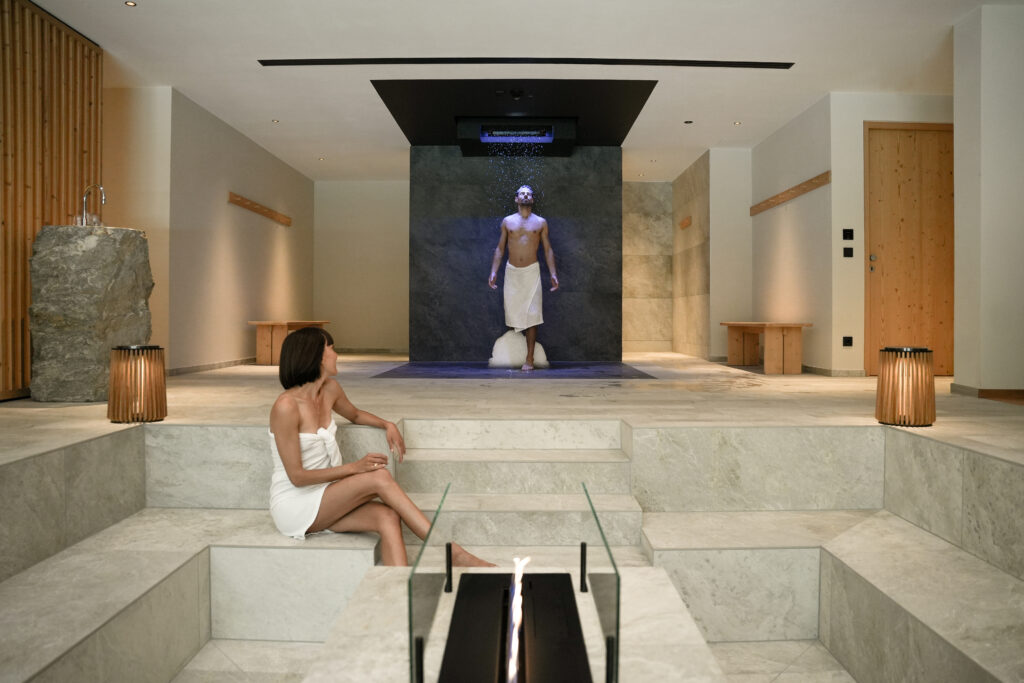
The works actively involved local artisans and craftsmen. The interior design was elegantly curated by architect Christina Biasi-von Berg of Studio Biquadra. Stone and moss green tones dominate the wellness spaces. In contrast, the lounge bar celebrates the successes of the Valanga Azzurra (Blue Avalanche) with historic 1970s graphics.
A perfect balance between memory and the future
This intervention demonstrates the effectiveness of sustainable architecture in regenerating high-altitude hospitality excellence. The Hotel Bella Vista becomes a privileged vantage point over the Engadin Dolomites. Matteo Thun has masterfully combined the historical memory of the place with the latest zero-impact construction technologies.
Photo Luca Visciani