



With a 27% increase in exports to Italy, Portuguese design is no longer just a high-quality manufacturing hub, but a creative force challenging European giants
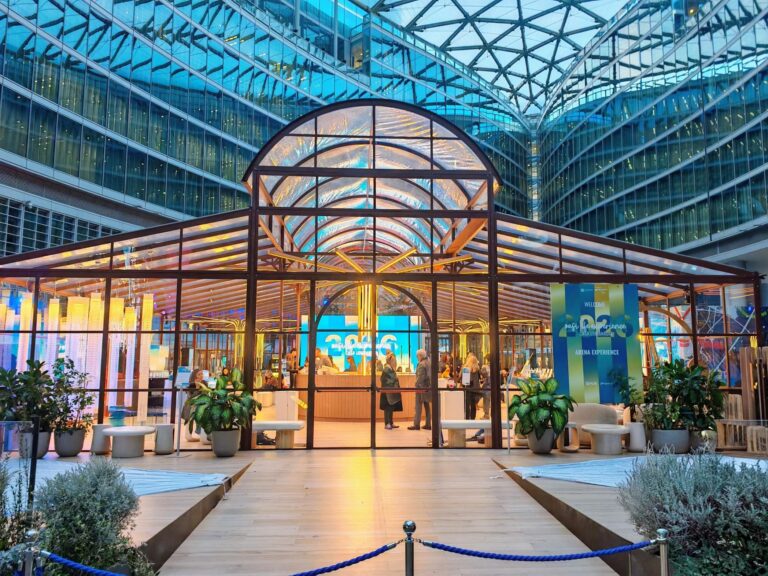
Milan, April 2026. The international furniture landscape has found a new, influential center of gravity. During the latest edition of Salone del Mobile, Portuguese design unleashed unprecedented momentum: 72 brands coordinated by APIMA transformed Rho Fiera into the ultimate stage for their newly cemented design maturity.
This is far from a temporary trend. Data from 2025 speaks clearly: exports to Italy skyrocketed by 27%. This is a definitive sign that the Italian market—the most demanding in the world—now recognizes Portuguese design as a premier partner capable of seamlessly blending artisanal expertise with industrial vision.
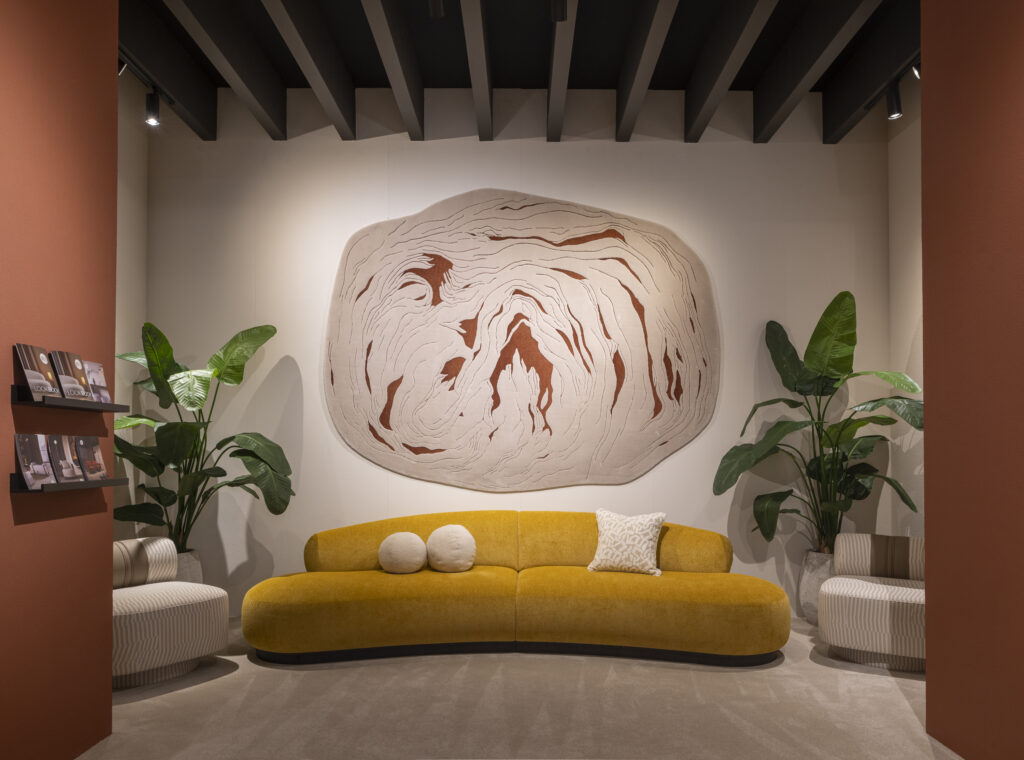
The evolution of Portuguese design: moving beyond traditional craftsmanship
The core of the Lusitanian philosophy lies in a rare equilibrium: the ability to preserve 1940s woodworking techniques while integrating them into zero-waste manufacturing processes. As highlighted by Joaquim Carneiro, President of APIMA, contemporary Portuguese design is elevating its status through international co-creation and sustainability, becoming a major engine for global growth.
The pioneers of “Saper Fare” in Milan
The companies showcasing at the Salone highlighted the multifaceted nature of this design evolution:
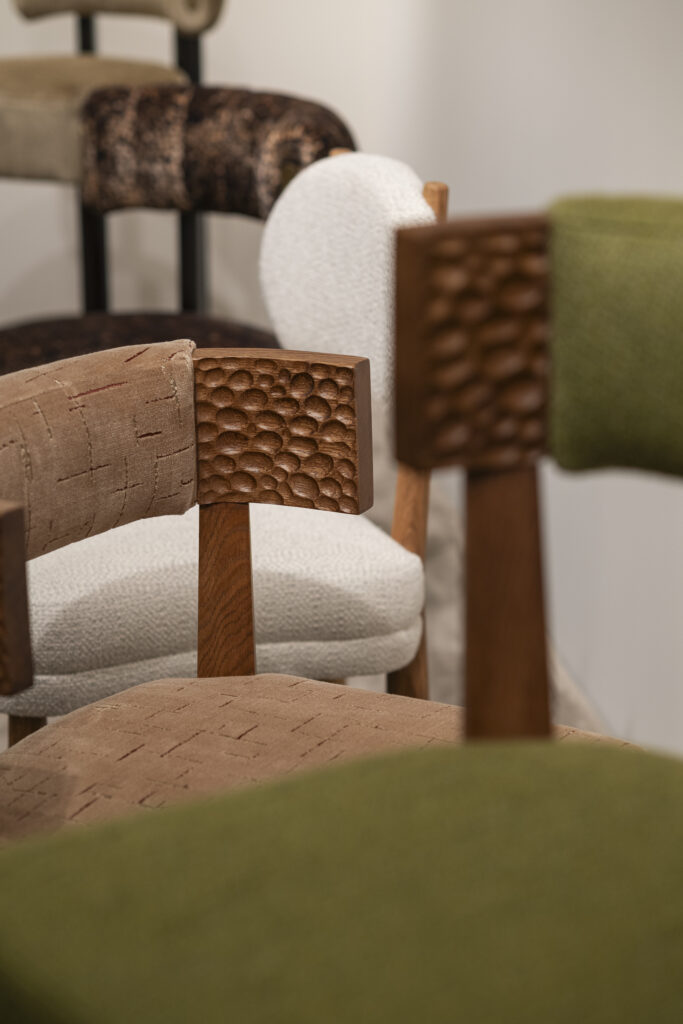
- Wewood and Joinery 2.0: With their “New Chapter of Portuguese Joinery” project, the brand celebrated solid wood furniture crafted by world-class designers like Christian Haas, setting new standards for contemporary aesthetics.
- International Collaborations: Brands like Fenabel (showcasing the Ondina collection by the Italian studio Carlesitonelli) and Sentta (featuring seating lines by Paco Camus) demonstrated how Portugal has turned into a global creative hub open to international partnerships.
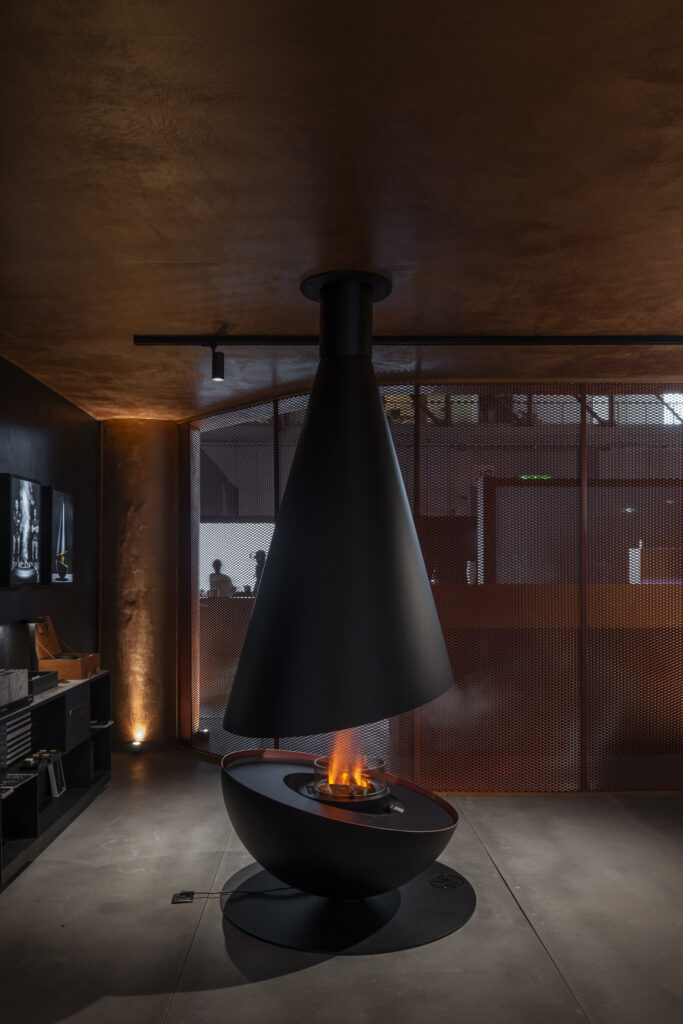
- Sculpting Light and Matter: Serip enchanted visitors with organic shapes in bronze and glass, while Stylish Club brought the focus back to the purity of natural elements.
Bespoke and Contract solutions: the ultimate competitive edge
Another pillar driving the success of Portuguese design is its extreme level of customization. This capacity to offer tailor-made solutions was fully on display with Myface’s modular outdoor kitchens and J.Dias’s high-tech interior systems.
This production flexibility, strongly backed by the PORTUGAL 2030 initiatives, positions Portuguese manufacturers as ideal partners for architecture firms and international developers involved in large-scale contract projects.
A future of global impact
The path forged by APIMA is unmistakable: solidifying the connection between industrial power and design culture. Today, the sector presents itself as a robust ecosystem where a vast variety of products shares a coherent approach based on manufacturing quality and environmental responsibility.
With an increasingly authoritative presence in global trade shows, Portugal has ceased to be Europe’s “best-kept secret” to become a leading source of inspiration and a major market player.