



It’s not just a matter of taste, but a journey through geometric layouts, invisible pathways, and material pairings that turn the dining area into an experience of comfort
The dining room has always been the vibrant heart of home life, the spot where quick lunches and long weekend dinners converge. In this setting, finding the perfect central piece requires thoughtful reflection that goes far beyond personal taste or current trends.
Choosing a dining table means carefully balancing space requirements, the typical number of guests, and the overall stylistic identity of the home. A well-considered purchase not only enhances the room’s architecture but elevates the entire social experience. To achieve a result that is both welcoming and functional, the design process should start with the actual dimensions of the room, studying the floor plan to ensure fluid circulation around the furniture and a seamless fit within the living area.
Dimensions, shapes, and geometry in relation to available space
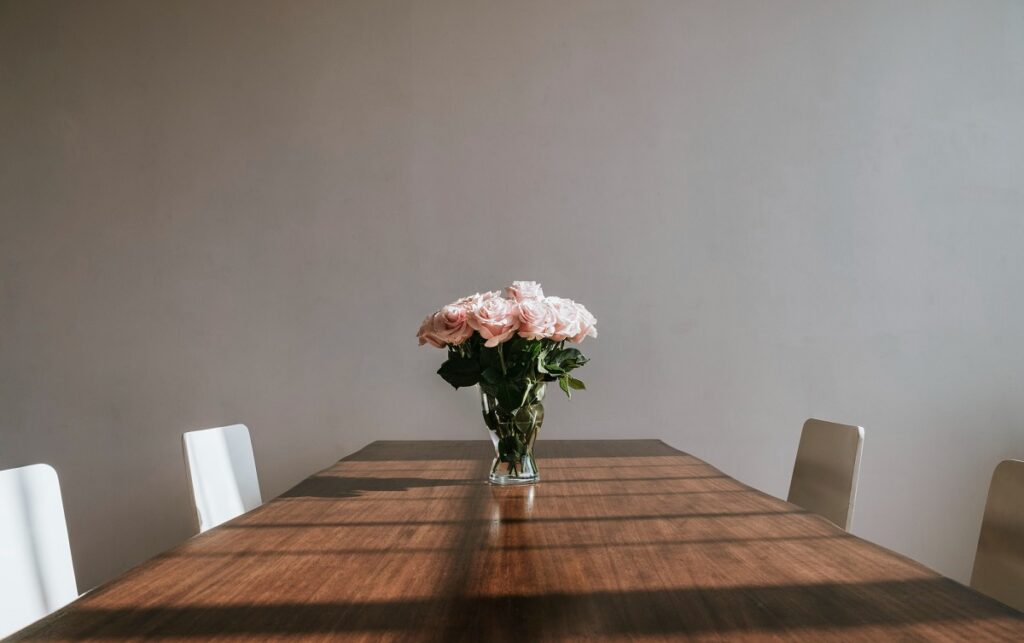
The golden rule to avoid mistakes is to measure the room thoroughly, keeping in mind that at least 80 cm of clear space should remain around the tabletop to allow chairs to slide out and people to move comfortably.
The shape of the table should complement the layout: rectangular rooms or sprawling open-plan spaces naturally suit elongated tops, which visually fill the area without crowding it. Conversely, square rooms or dining nooks carved out of multifunctional spaces benefit from circular or square geometries that distribute presence symmetrically.
Each guest requires roughly 60 to 70 cm of width to dine comfortably—a key metric for determining the structure’s ideal capacity long before looking at aesthetics.
Fixed vs. extendable tables for everyday living
A major dilemma in design involves choosing between a fixed tabletop and a structure with integrated extension leaves.
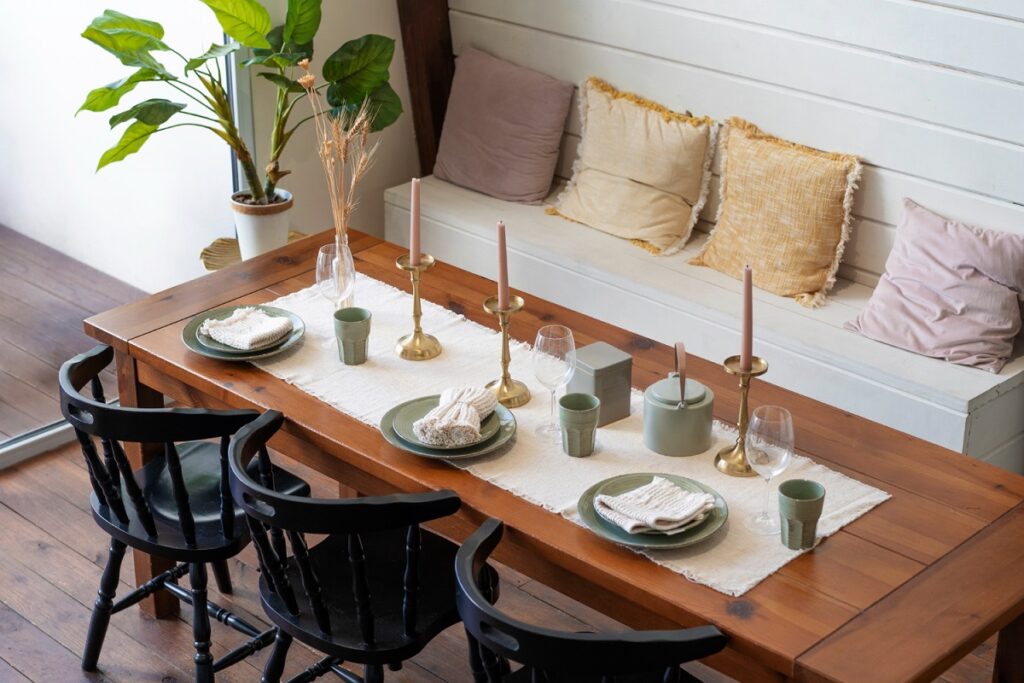
Fixed models offer exceptional stability and clean lines, often featuring bases that remain visible and unchanged over time, taking center stage in interior design. On the other hand, extendable versions are an efficient solution for modern apartment living, where space optimization is key.
Choosing an extendable mechanism means having a discreet piece of furniture for daily couple or family life, ready to transform into a spacious dining table with a few simple gestures—offering maximum organizational flexibility without cluttering the room on ordinary days.
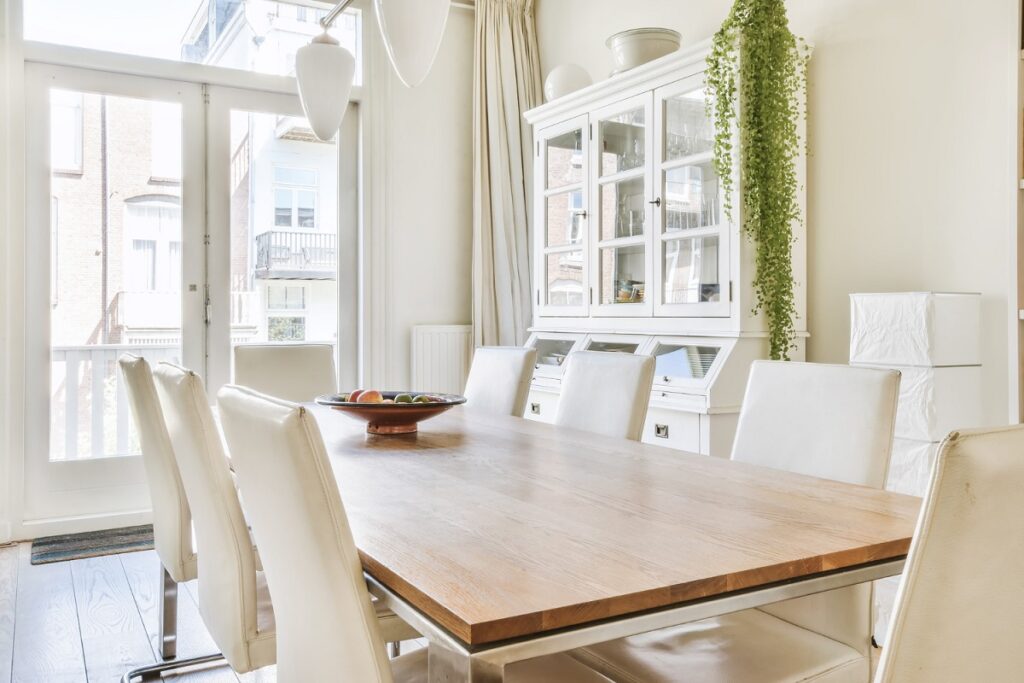
Color Pairings and Lighting that Create Balance
To complete the dining area and create a harmonious space, the choice and pairing of furnishings play a decisive role.
Chairs don’t necessarily have to belong to the same collection as the table, but proportions are key: the seat height must allow comfortable legroom, and the materials should engage in a dialogue—whether through contrast or affinity, such as pairing the tactile warmth of wood with the lightness of metal or polycarbonate.
Above the table, lighting plays both a functional and dramatic role. A pendant light, hung roughly eighty centimeters above the surface, anchors the dining area and creates an intimate atmosphere—provided its shape echoes the table’s silhouette, favoring linear fixtures for rectangular tops and single pendants or circular arrangements for round surfaces.