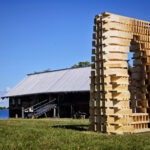



The Master of Tropical Modernism and the Art of Designing in Harmony with Nature
Contemporary architecture rediscovers its sensory and ecological roots through the work of one of the greatest masters of the twentieth century. This autumn, the exhibition spaces of the famous German campus welcome an extraordinary exhibition dedicated to the father of Sri Lankan architecture.
From 26 September 2026 to 28 February 2027, the Vitra Design Museum presents “Geoffrey Bawa: Architecture for the Senses”. The retrospective gathers over 250 exhibits, including original drawings, models, furniture, and historic photographs, offering total immersion into the architect’s design universe.
rights reserved
From Law to the Drawing Board: The Birth of a Unique Language
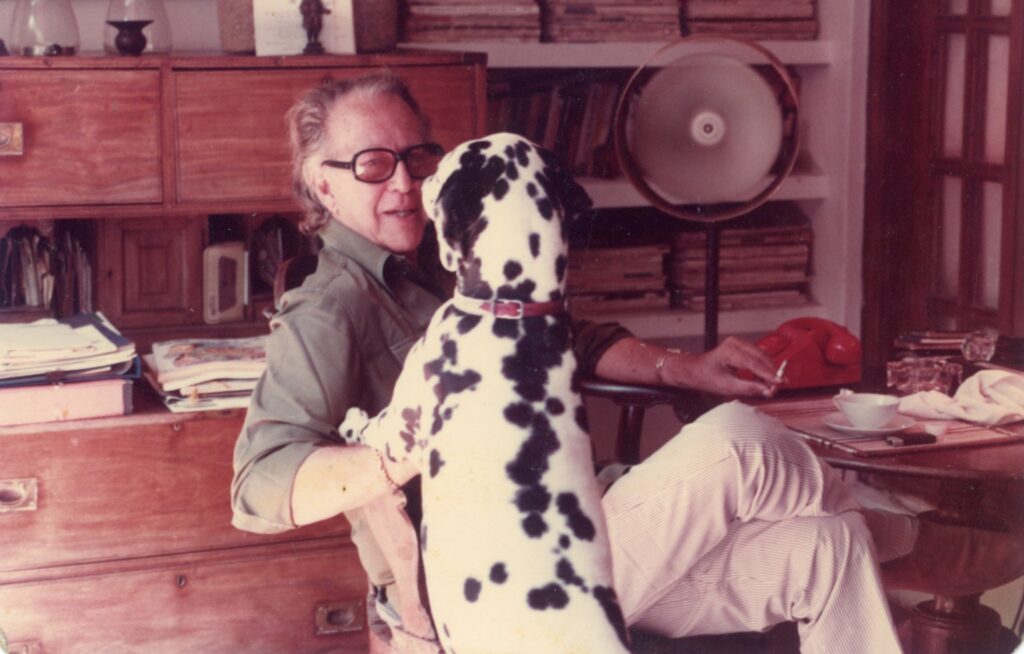
Geoffrey Bawa (1919–2003) began his architectural career after an initial profession as a lawyer and graduating from the Architectural Association in London in 1957. Despite this late start, Bawa quickly became the guiding voice of architectural design in post-independence Sri Lanka.
His style integrates the principles of Western modernism with the rich local craft and material history. Among his most iconic works are:
- The Lunuganga garden estate (1948–2003)
- The Bentota Beach Hotel (1966–69)
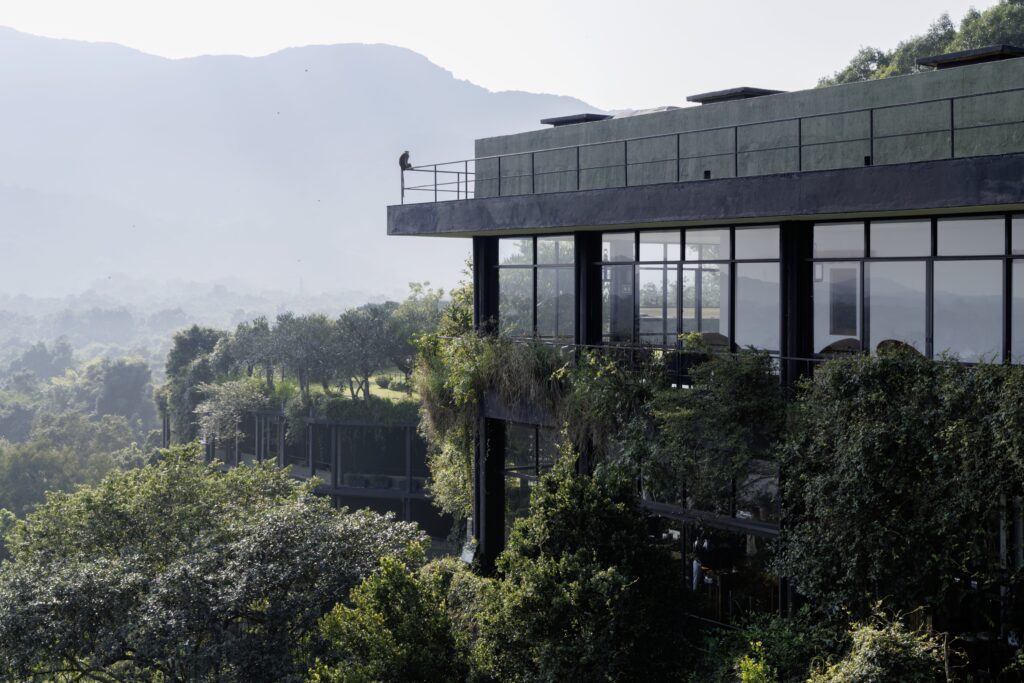
- The spectacular Kandalama Hotel (1991–94)
- The Sri Lankan Parliament Building
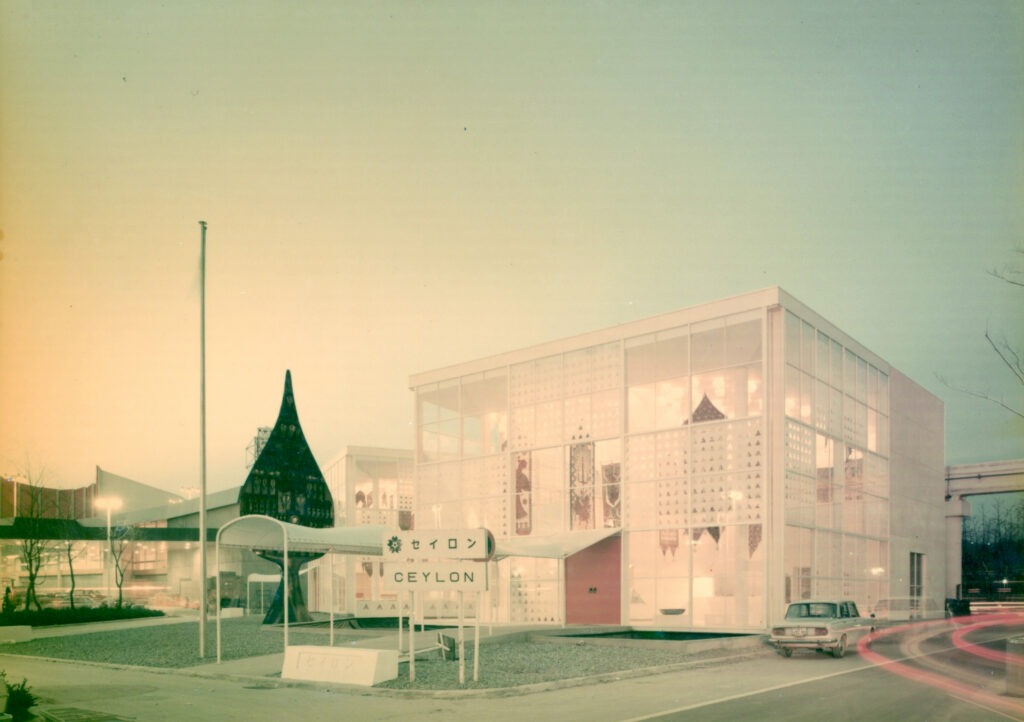
Landscape and Materiality: A Sensory Spatial Experience
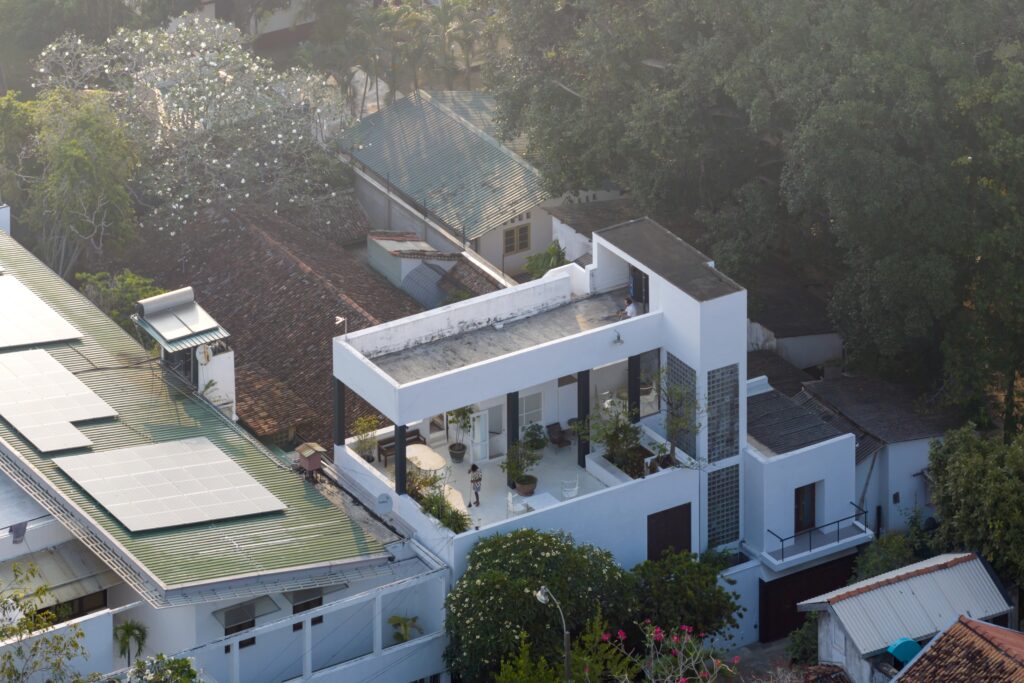
For Bawa, architecture reveals itself through direct experience and cannot be explained purely through theory. His structures are not static volumes, but spatial narratives without boundaries separating them from the surrounding environment.
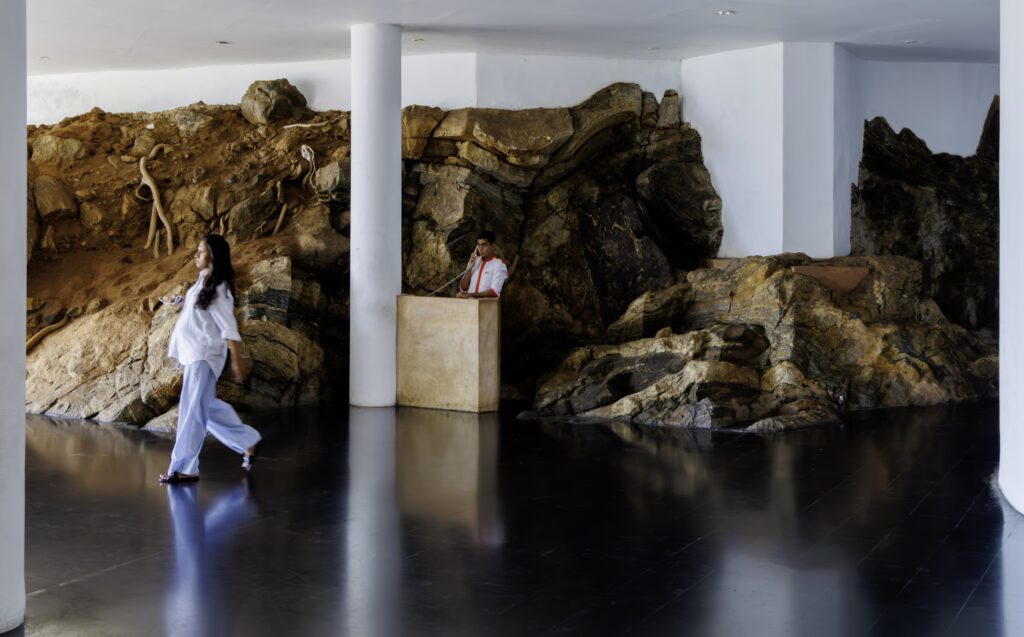
His buildings seamlessly incorporate rock outcrops, terrain elevations, and ancient trees into living spaces. This organic approach clearly emerges in projects like the Polontalawa Estate Bungalow and the Jayewardene House, where Sri Lanka’s monumental nature becomes the main protagonist of the design.
Local Craftsmanship and Social Value
A central focus of the exhibition at the Vitra Design Museum highlights Bawa’s close collaborations with local artists such as Ena de Silva, Laki Senanayake, and Barbara Sansoni. Their batik panels, sculptures, and textiles integrated into the architecture supported the local economy, turning construction sites into true social enterprises.
A Sustainable Legacy Looking to the Future
Often labeled as the pioneer of Tropical Modernism, Bawa developed a much more complex and multilayered vision. His focus on ecology, sustainability, and cultural context makes his visual lessons extremely relevant to contemporary design challenges.
The exhibition design, curated by architect Lina Ghotmeh, transforms the museum into an emotional, sensory environment. Following its initial run in Germany at the Vitra Design Museum, the traveling exhibition will head to the M+ museum in Hong Kong starting in June 2027.