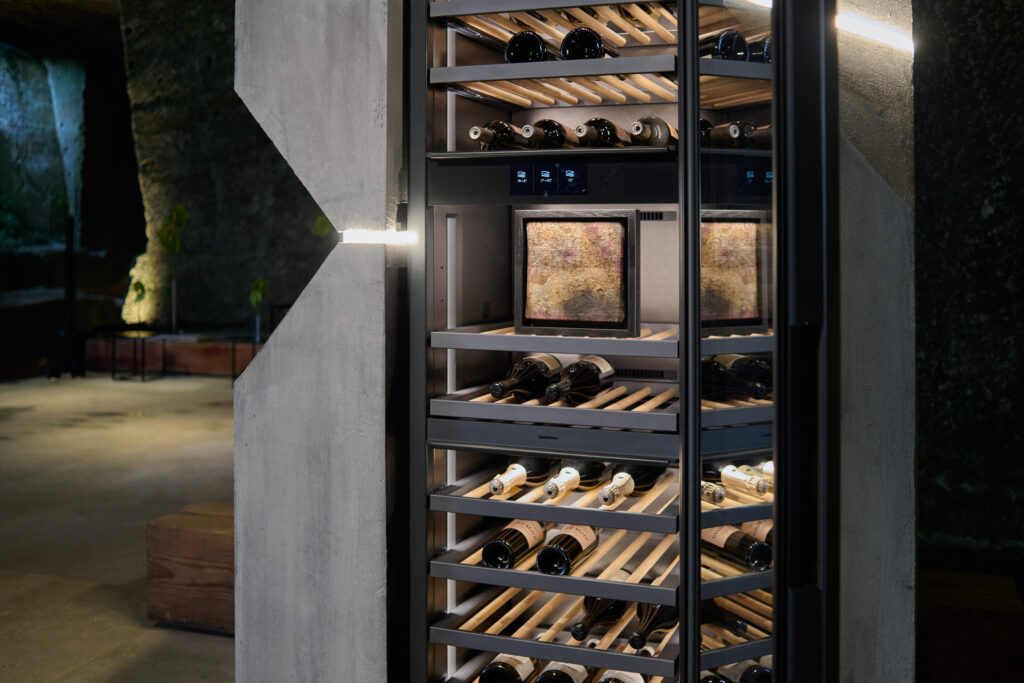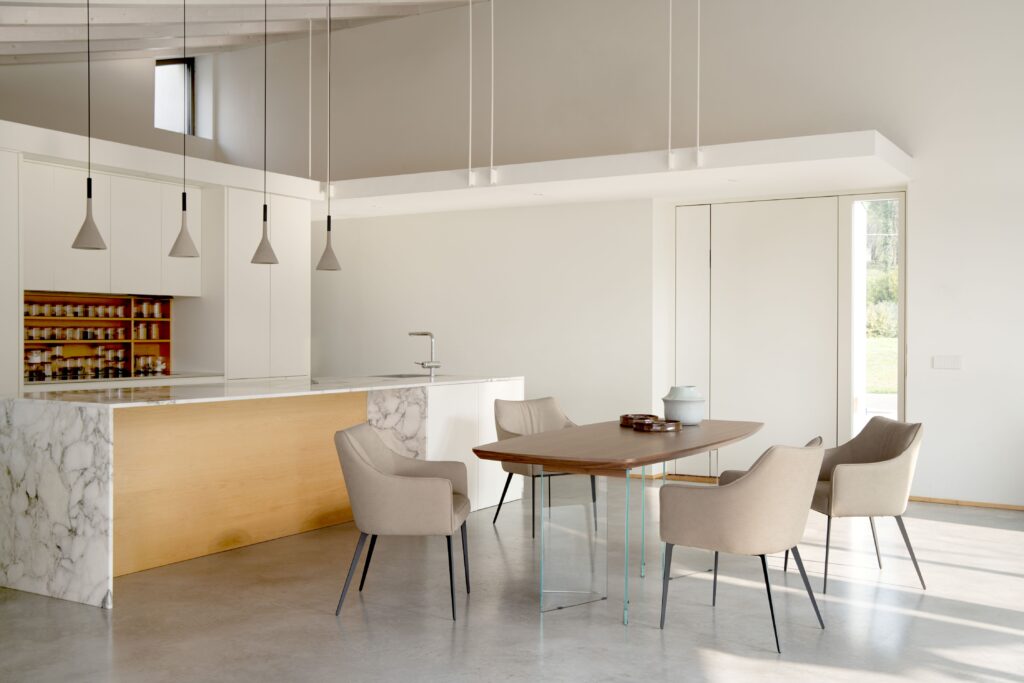





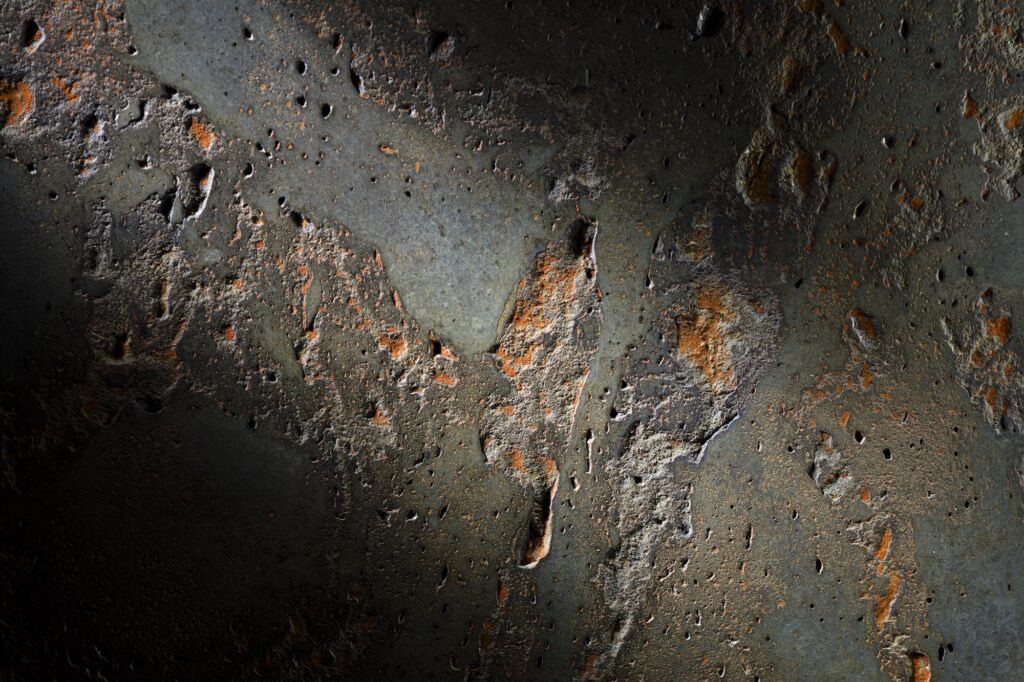
Sensorial redefines the language of contemporary concrete through neuroscience, craftsmanship, and material research
Contemporary design and architecture are putting raw materials back at the center of space. Standing out in this evolution is Sensorial, the Italian brand founded and directed by Maria Chiara Monacelli. The brand merges design, art, architecture, and neuroscience to bring multisensory surfaces, objects, and environments to life.
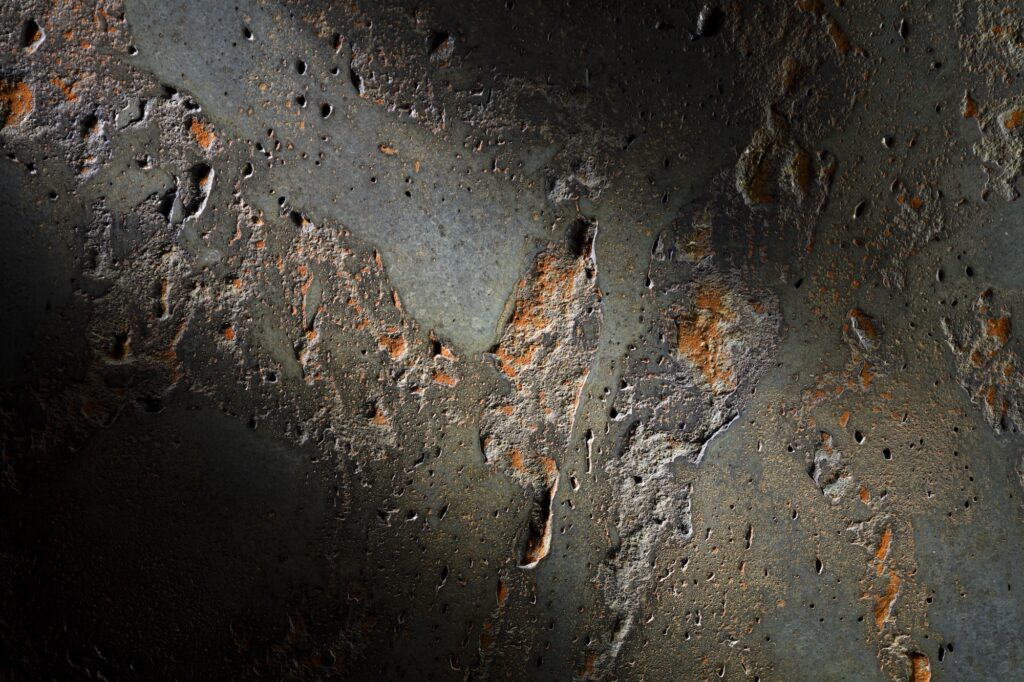
From this vision comes Concrial®—a true sensory material that revolutionizes contemporary concrete. This innovation transforms an element historically viewed as static and structural into a living surface capable of interacting with light, touch, and human perception.
Beyond Concrete: An Open Creative Platform
The name Concrial® unites the concepts of concrete and sensorial. It perfectly captures the project’s philosophy: fusing matter and experience into a single visual and tactile code.
Concrial® is not just a simple decorative coating. The brand positions it as a creative platform for architects and designers seeking new avenues of expression. This sensory material integrates surprising elements, including:
- Molten metals and mineral oxides
- Textile components and plant-based inserts
- Photoluminescent properties
- Integrated acoustic diffusion systems
The artisanal and experimental process elevates every detail. Textures, thicknesses, and nuances emerge from a deep bond between human touch and the project’s identity, tailored for both interiors and exteriors.
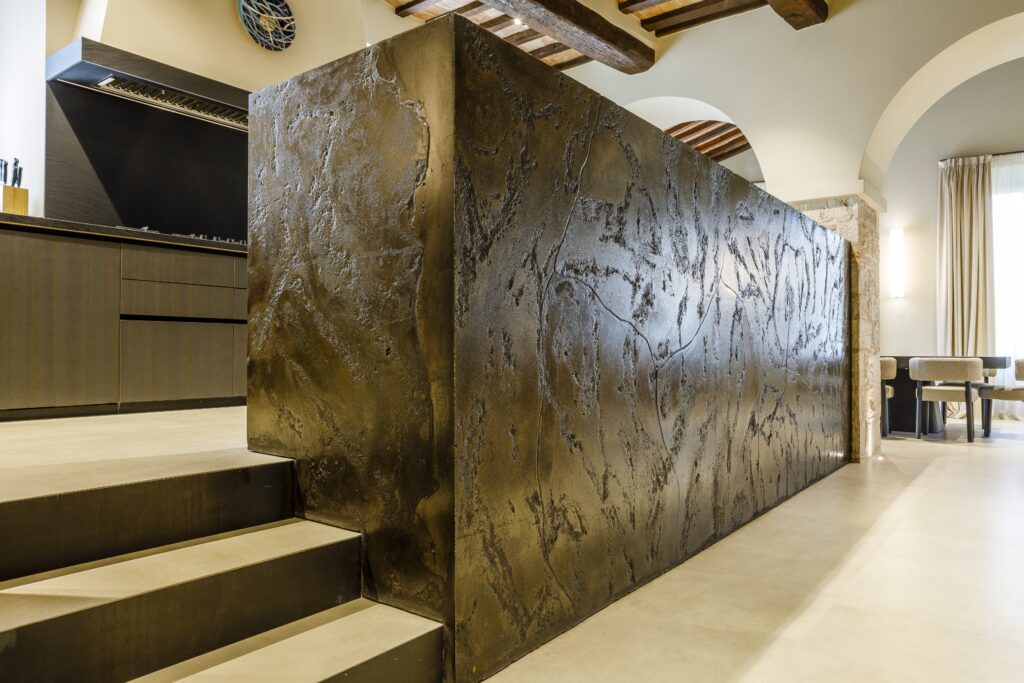
Neuroscience and Space: Design that Heals the Mind
Sensorial closely studies how environments influence our emotions, memory, and psychophysical well-being. By applying the principles of neuroaesthetics and neuroscience to interior design, Concrial® becomes a medium capable of connecting the body to its surrounding space.
The goal is clear: to move past the image of concrete as a cold, industrial material and restore to it a warm, human, and immersive dimension.

Craftsmanship and Boundless Experimentation
Every creation by Concrial® pairs scientific research with manual expertise. Concrete loses its traditional rigidity, becoming a fluid, changing sensory material ready to engage with different architectural styles.
Its applications cover a wide range of solutions: Architectural surfaces and iconic walls, Art installations and custom furnishings, Site-specific projects for brands and private clients
The team develops each piece through synergistic collaborations with designers, artists, and architectural firms.
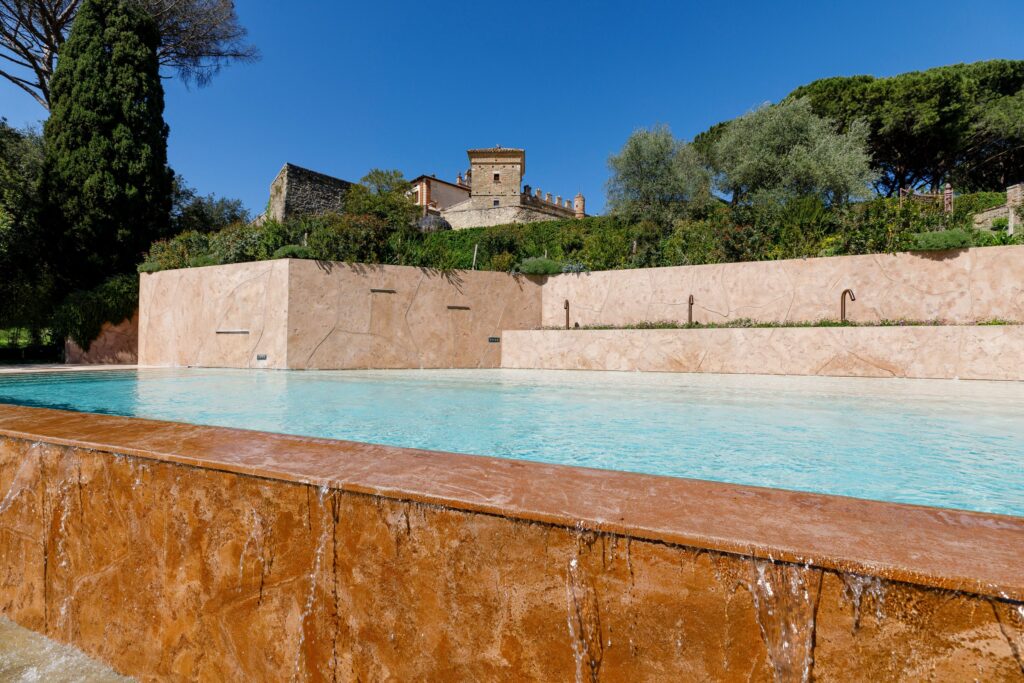
The Tea House: Sensorial’s Physical Manifesto
The public debut of this philosophy has a name: Tea House. Designed by Japanese architect Hiroto Kobayashi, the structure was presented at the Listone Giordano Arena.
In this space, Concrial® blended Japanese ritualism with the perception of light and touch. The Tea House demonstrates the true efficacy of this sensory material: an intimate architecture capable of uniting body and space in a slow, profound experience accessible to all the senses.